
UP’s quest for continuous quality
Written by Arlyn VCD Palisoc Romualdo
For UP—guided by its time-honored traditions of honor, excellence, and service—the pursuit of quality education, research, and extension work has been front and center. And rightly so. It is, after all, the country’s national university.
In its 116 years of existence, the University has gained a reputation for academic leadership among Philippine institutions of higher learning. But to sustain this as UP expands and grows nationwide, there has also been an increasing emphasis on the importance of management: the whole range of processes and procedures that make an organization run efficiently like a well-oiled machine.
The UP System administration under President Angelo Jimenez intends to ensure that excellent education is complemented by equally excellent operations. This mission falls under the administration’s strategic theme, “Consultative and Accountable Governance for the Well-being of University Constituents,” and specifically captured in Flagship Program (FP) 9: the institutionalization of the University’s Quality Management System (QMS) and the enhancement of Quality Assurance (QA) of degree programs.
“We cannot be academically excellent if we are struggling administratively. [These] are intertwined that [one] cannot be left behind if we want UP to succeed holistically,” Jimenez declared during the first QMS Forum for UP System administrative employees in May 2024.
“When we have clear, consistent, and strategic policies; efficient systems and processes; well-documented process flows; and seamless operations that support teaching, research, innovation, and creative works, then we are close to designing and delivering QA in our academic offerings.”

A QMS by 2025
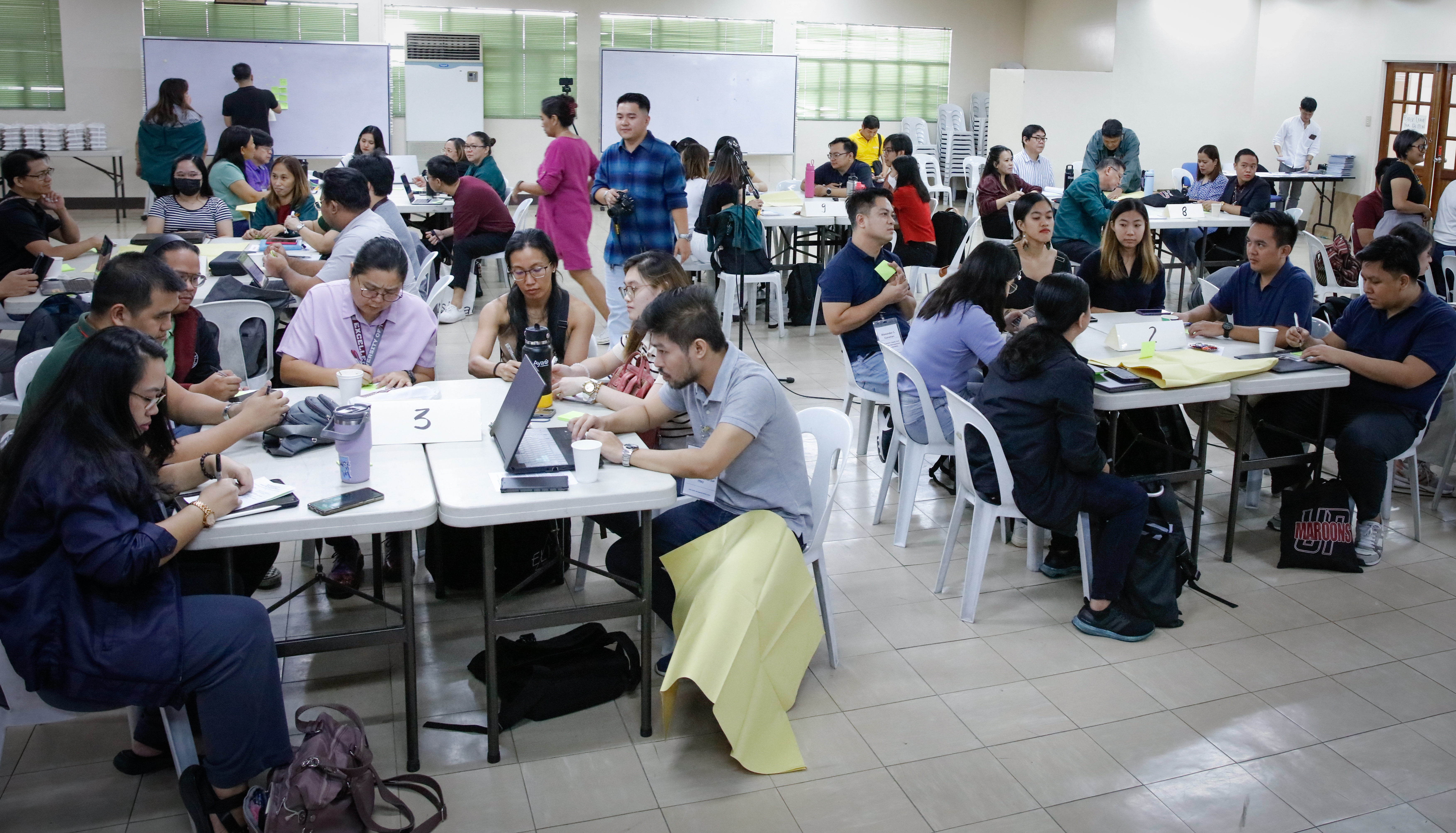
Based specifically on ISO 9001:2015, the global standard for quality management, UP’s QMS is expected to improve the intricate processes that keep the University going.
“[Our] goal is not to put rigid, unfamiliar systems in place, but rather updated and well-informed systems that will make our processes easier and more transparent,” Jimenez explained. “Through a properly-executed QMS, we ensure accountability on all sides for our stakeholders” as well as “effective stewardship of resources.”
A formalized system that documents processes, procedures, and responsibilities for achieving quality policies and objectives, a QMS for UP can help direct its activities to meet legal requirements and stakeholders’ needs, and consistently improve the effectiveness and efficiency of operations.
UP’s QMS will be its mode of compliance with the Government Quality Management Program—the aim of which is to advance public sector performance by ensuring consistency in its delivery of products and services through the implementation of an effective QMS. On the world stage—as the University is mandated by its Charter to “serve as a regional and global university”—UP’s adherence to international standards and its acquisition of certifications signifying such, boosts its reliability and credibility as a potential partner institution.
The QMS half of FP 9 also includes other key activities of the University administration.
UP is working on getting Level III certification in the Philippine Civil Service Commission’s Program to Institutionalize Meritocracy and Excellence in Human Resource Management or PRIME-HRM—where the University’s HRM aims to become competency-based and its HR Information System well-integrated and connected to the four HR key areas: (1) recruitment, selection, placement; (2) learning and development; (3) performance management; and (4) rewards and recognition.
The Finance Transformation Program is expected to enhance budget planning and utilization—maximizing the financial resources of the University while maintaining the highest regard for accountability and transparency in accordance with the accounting and auditing rules and policies of the government. The Program was launched through the UP System-wide Finance Summit held from April 17-19, 2024.
Other programs include the Assets and Resource Utilization Management Program, which contains four sub-programs on assets and infrastructure management, property management, supply management, and procurement enhancements. Another is the Total Rewards, Wellness, and Benefits Program, which is currently conducting a comprehensive review of existing wellness and benefits programs that will guide proposals for enhancements or creation of new initiatives. Also in the pipeline is the consolidation of all updated policies and regulations in handbooks and manuals in one University Handbook and Digital Library.
UP is already one-fifth along its journey to ISO 9001:2015 QMS certification by 2025. It has already taken four of the 20 roadmap steps since April 2024. The most recent of which was the initial quality performance assessment by assessors from the Development Academy of the Philippines (DAP) on June 10-11, 2024.
The fifth step will be on June 18, the University’s 116th anniversary, when two orientation sessions on ISO 9001:2015 QMS will be held—one by DAP for the UP System administration and another for administrative staff. The road ahead is filled with training programs and workshops until the final management review, readiness assessment, certification preparation, and finally, the certification proper, targeted to happen from April to June 2025.
A consistently improving QA
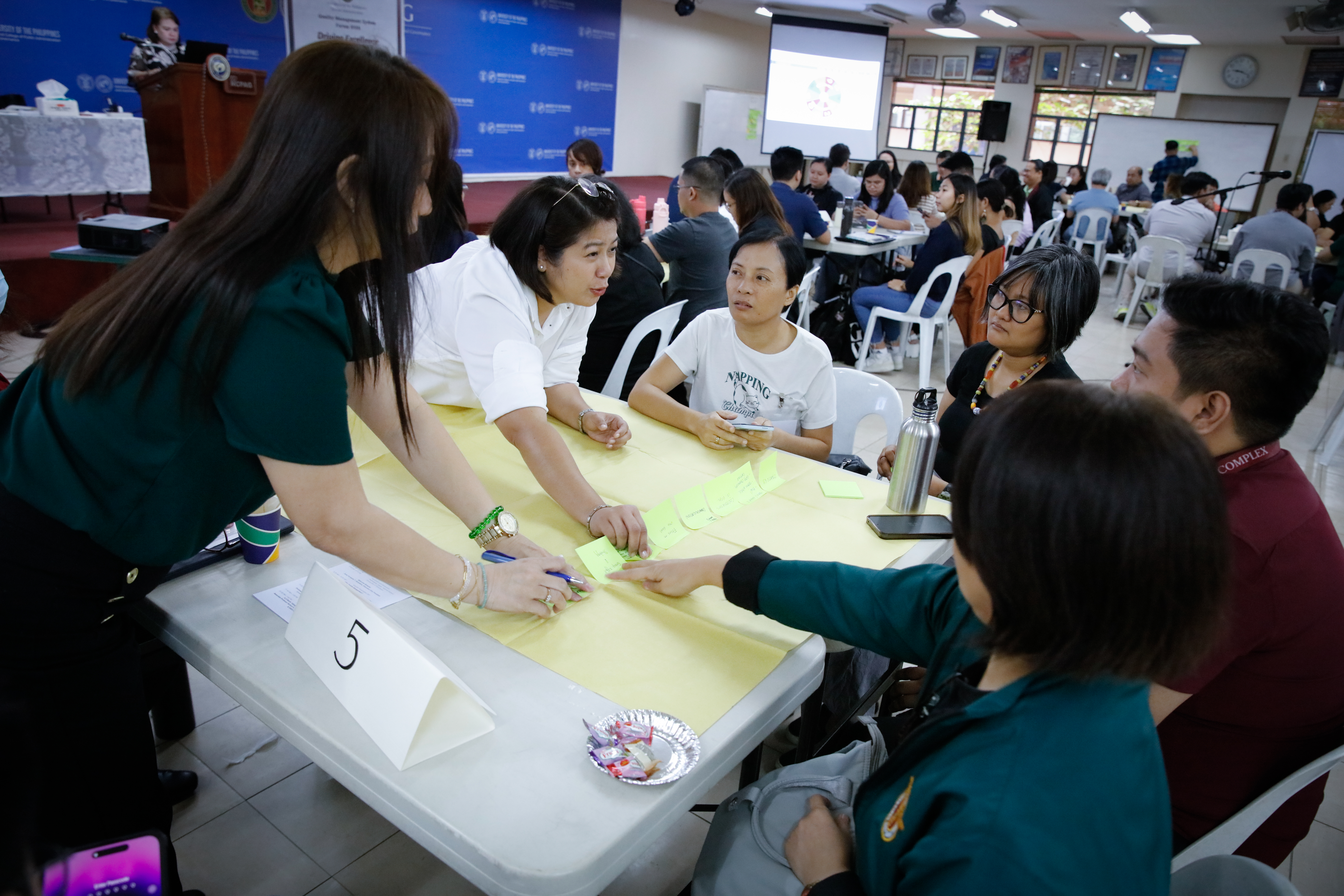
Jimenez is a firm believer in the growth mindset, where continuous improvement drives success. In QA, the other component of FP 9, the UP leadership recognizes existing measures in place and intends to both enhance them and supplement them with other programs. “[QA] will enable us to continuously sustain and enhance the quality and relevance of our academic programs. It encompasses all facets of university teaching and learning, including learning outcomes, curriculum development, teaching methodologies, and student support services.”
UP QA has two components in assessing its degree program offerings. One is the uniquely homegrown internal QA (IQA), Internal Assessment and Development System or iAADS—a comprehensive reporting system done every three years, designed to evaluate various aspects of academic programs and institutional effectiveness, and customized to suit the specific needs of each unit.
The other is the external QA (EQA) done by local or international assessment or accreditation bodies, especially for professional degree programs or those with discipline and QA experts external to the program. EQA is conducted after iAAADS and should be done every five years.
One initiative of the Jimenez administration is the accelerated rollout of capacity building programs to beef up UP’s QA systems. An example is the External Reviewers Training by the QA Capacity Building Committee to (1) increase the number of faculty members who are capable of conducting external reviews of UP degree programs and (2) equip representative QA officers and faculty administrators across the UP System with the knowledge and skills to effectively conduct EQA reviews.
Strategic planning is also underway for establishing a fully functional, independent UP System QA Office, a big step forward from the current UP System QA Team and UP System QA Committee. This development is on top of UP constituent universities creating their own QA Offices and constituting QA committees.
The development and launch of the QA Portal—the centralized online platform integrating the UP IQA and EQA instruments and processes—is intended to better facilitate the QA process for all the academic units of UP. In addition to the Portal, the first UP System QA Conference will be organized to bring together stakeholders from across the UP System for collaborative discussions and knowledge sharing. The event is expected to foster a culture of innovation, transparency, and accountability within the institution, in pursuit of academic excellence and social relevance.
Rallying UP employees, Jimenez said, “In our pursuit of excellence, we must also be excellent in our decision-making. … We know that guaranteeing the quality of our programs and graduates as set by our guidelines is what makes UP, UP. … We want to enhance the delivery of our products and services as a university, and we want to make sure we deliver these in the best way possible.”

More on UP’s Strategic Plan 2023-2029
Flagship Program 1: Academic Excellence
Flagship Program 2: Inclusive Admissions
Flagship Program 3: Research and Innovation
Flagship Program 4: Open and Distance e-Learning (ODeL)
Flagship Program 5: Archipelagic and Oceanic Virtual University (AOVU)
Flagship Program 6: Active and Collaborative Partnerships
Flagship Program 7: Arts and Culture
Flagship Program 8: Expansion of Public Service Offices
Flagship Program 9: Quality Management System (QMS) and Quality Assurance (QA)
Flagship Program 10: Digital Transformation


