Korea-ASEAN relations seen to drive national development

| Written by Percy Dahe

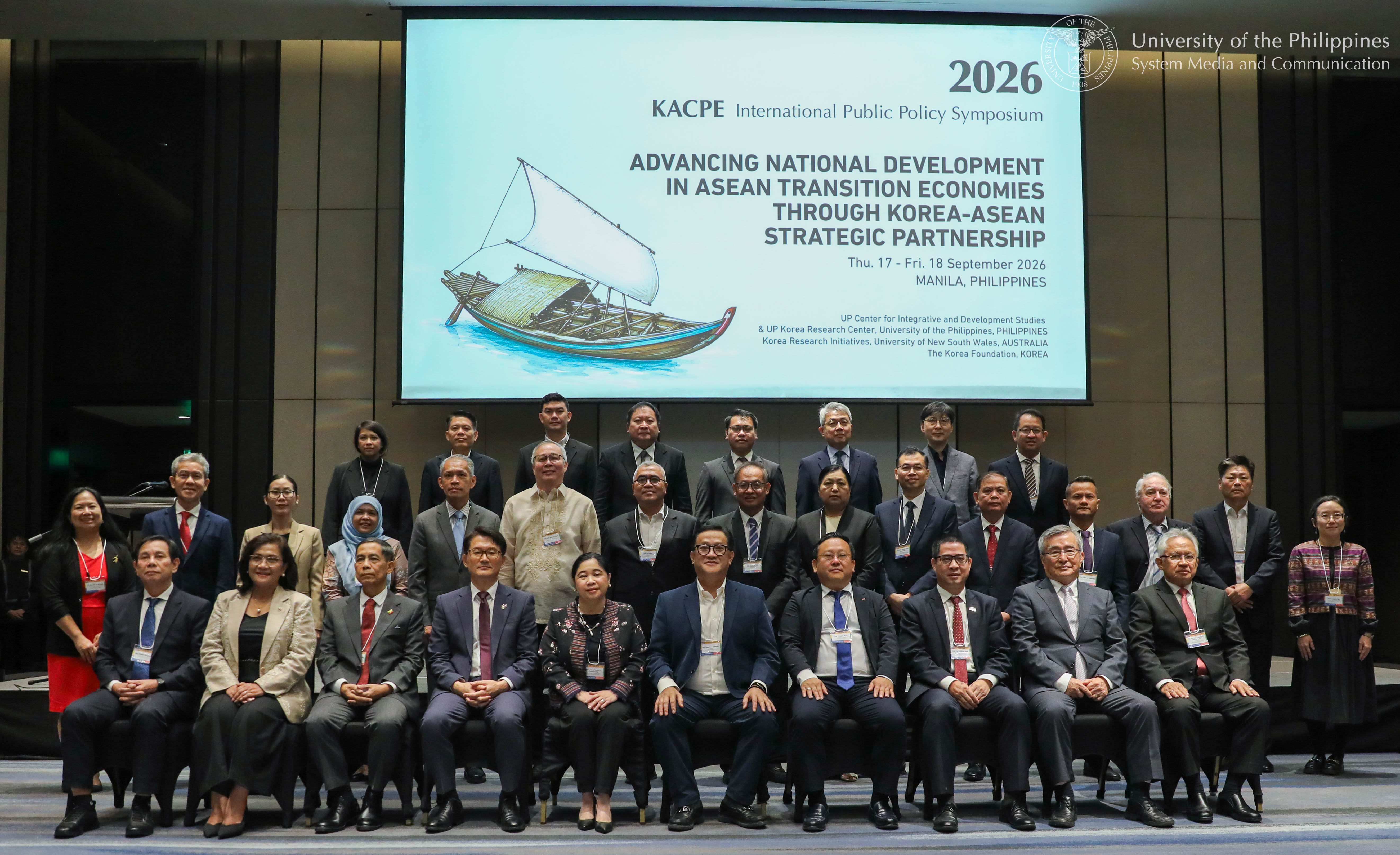
Key officials of the Philippine government and members of the diplomatic corps (seated) pose for a group photo with the policymakers, academics, and researchers from all over Southeast Asia, Korea, and Australia. Photo by Jun Madrid, UPS-MCO.

To strengthen state capacity for policy development and implementation as a pivotal catalyst for national development within Southeast Asia’s transition economies — Vietnam, Laos, Cambodia, and Myanmar — the 2026 Korea-ASEAN Community of Policy Exchange International Public Policy Symposium was held Sept. 17 to 18 at the Conrad Manila Hotel, Pasay City. 

Themed, Advancing National Development in ASEAN Transition Economies through Korea-ASEAN Strategic partnership, the event was organized by the University of the Philippines Center for Integrative Development Studies, the UP Korea Research Center, and Korea Research Initiatives at the University of New South Wales, Australia, in partnership with Korea Foundation.
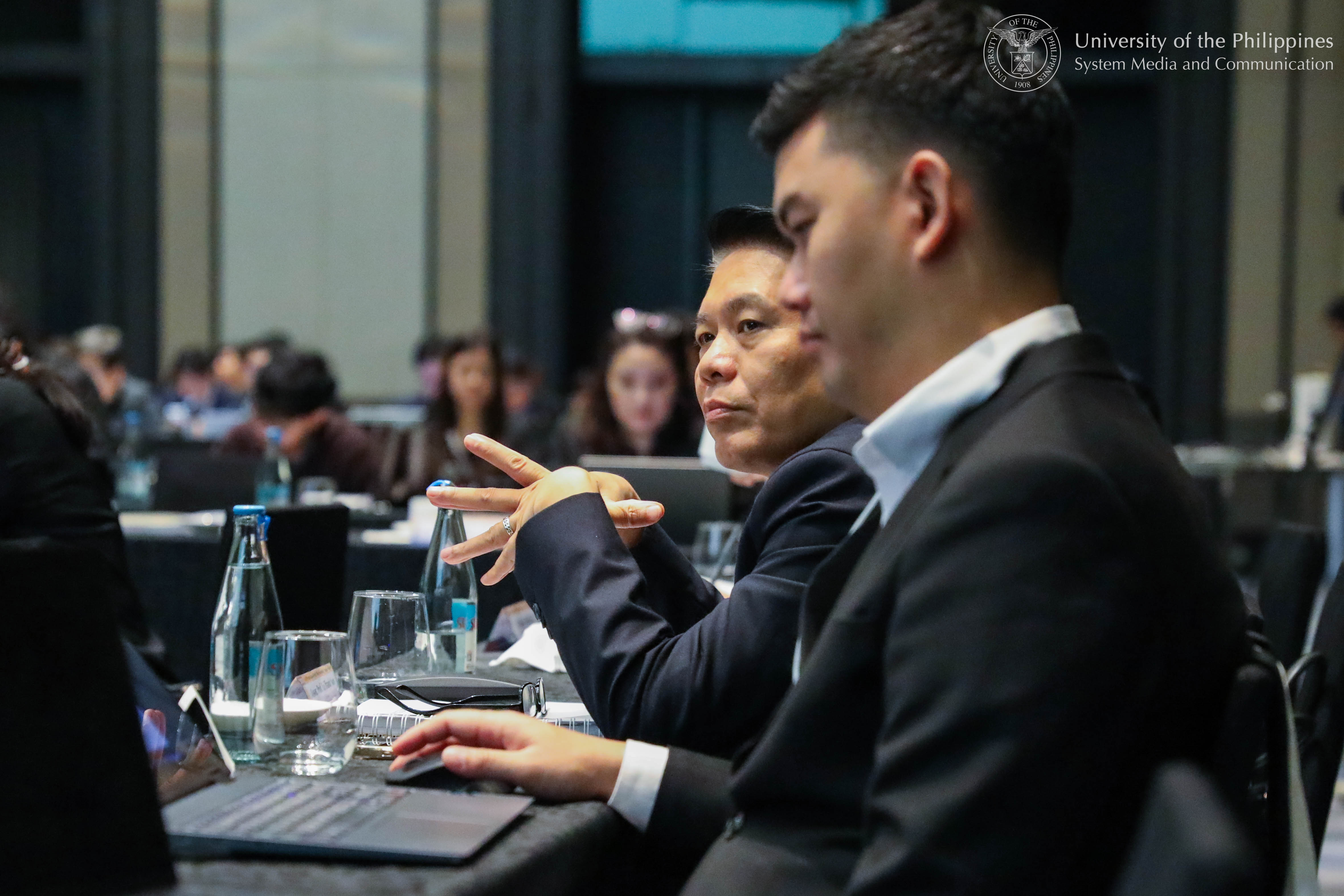
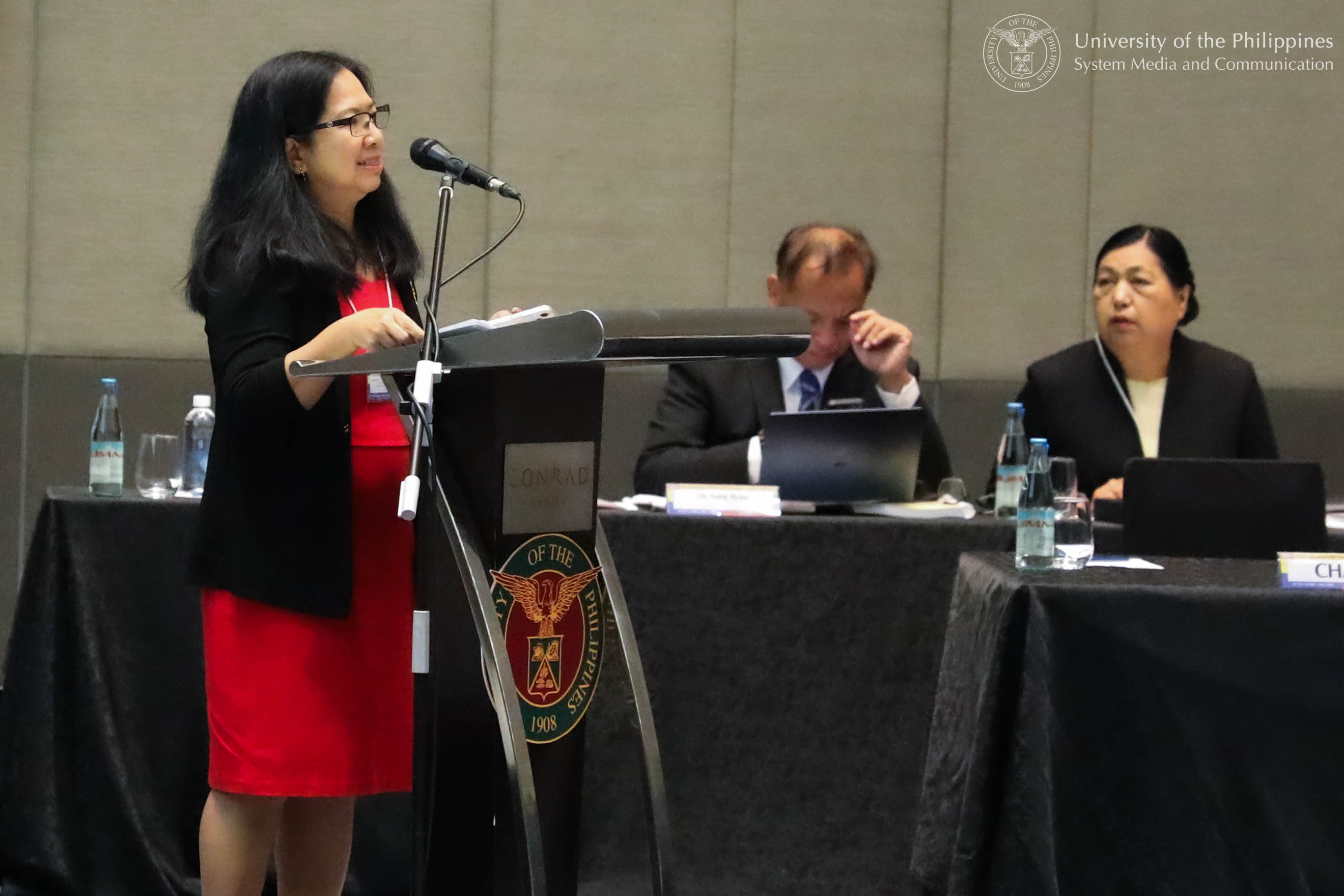
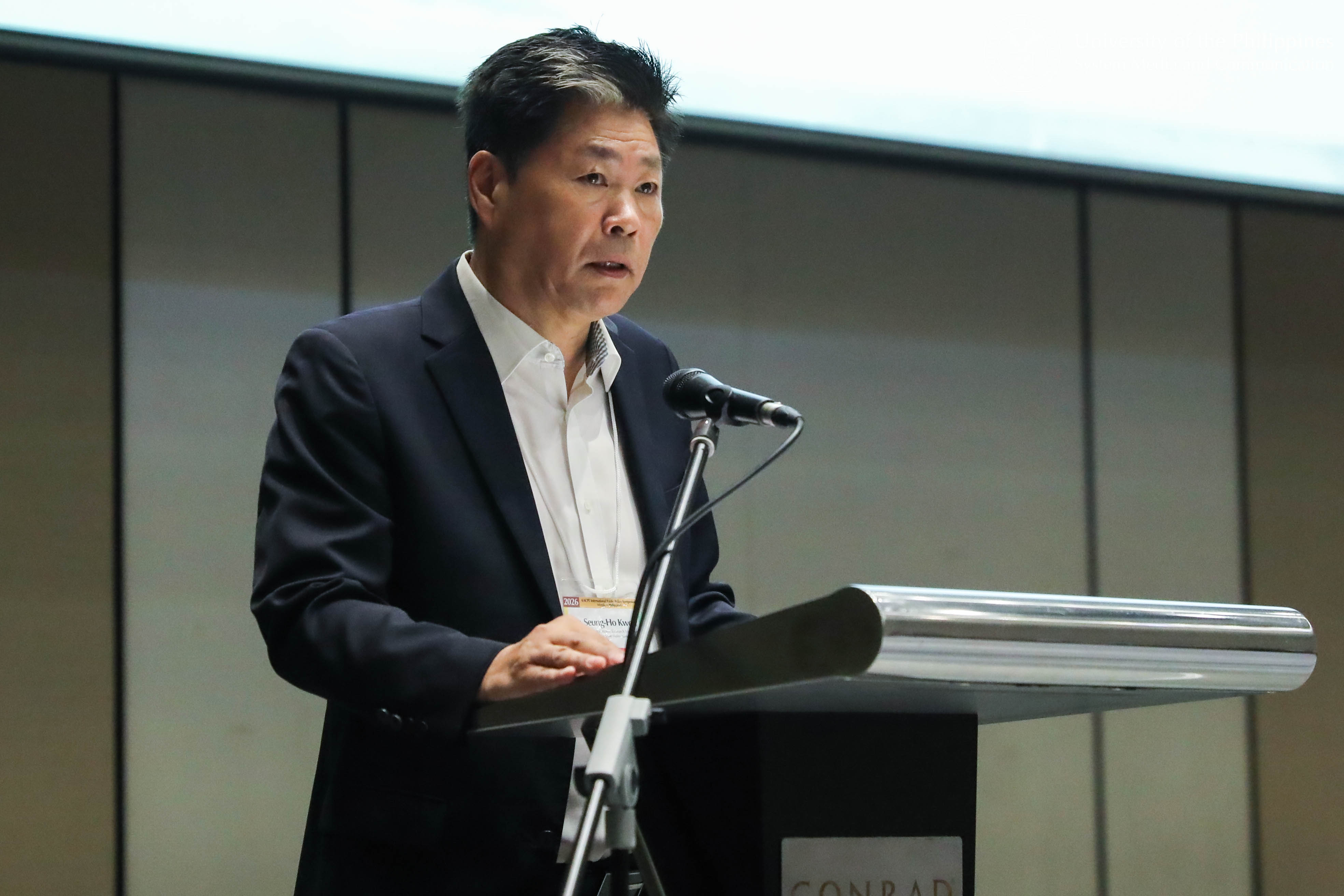
Participants at the 2026 Korean-ASEAN Community of Policy Exchange International Public Policy Symposium’s keynote sessions. Photo by Jun Madrid, UPS-MCO.

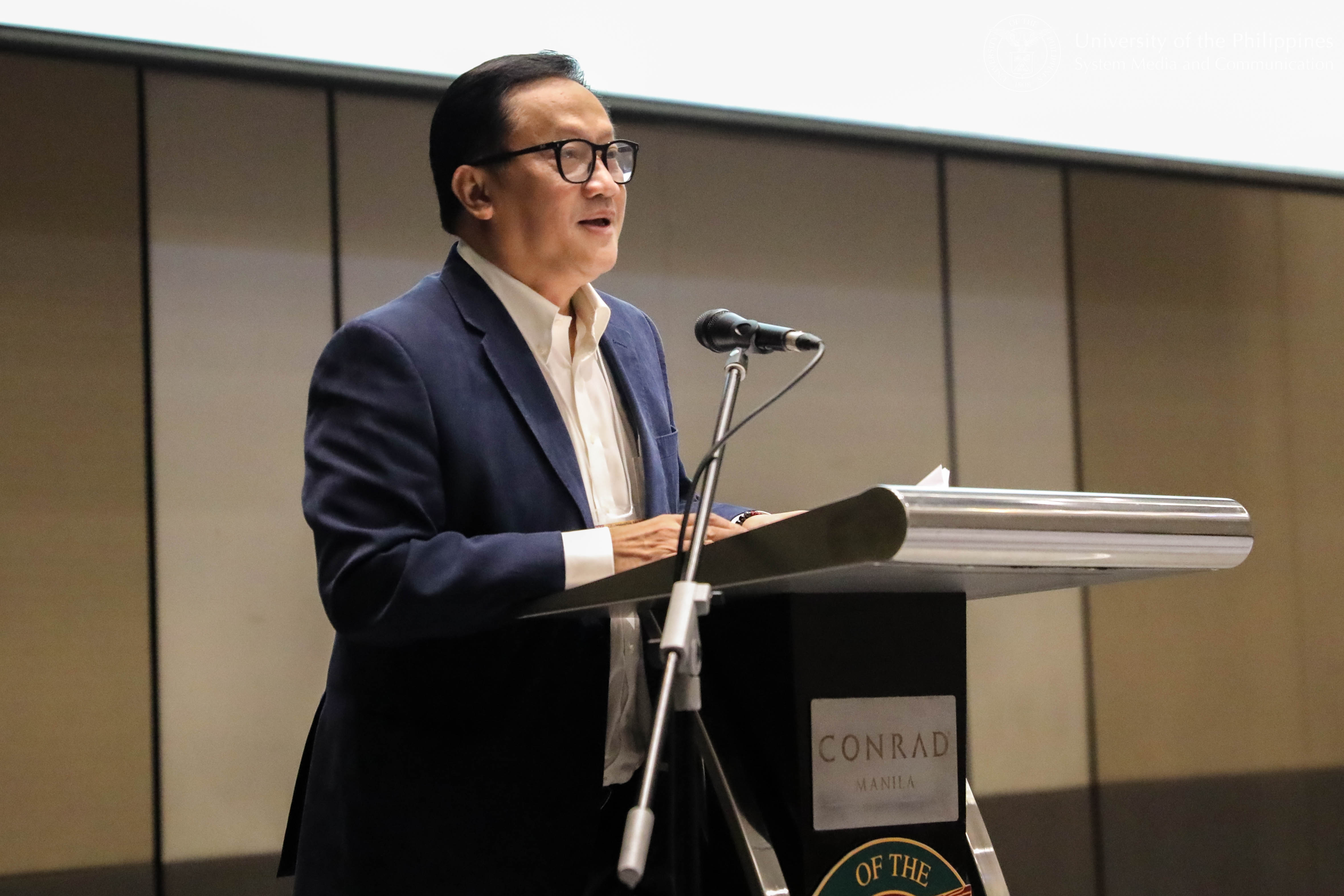
UP President Angelo Jimenez, in his opening address, discussed maritime disputes and their implications for security and diplomacy, as well as their consequences that extend to trade, livelihood, and everyday lives of people. He noted that these are “difficult variables to incorporate into the policy equation.” 


Jimenez then asked, “How do we build policies that are responsive to these changing times? How do we strengthen the institutions that implement them? And how do we ensure that the benefits of development reach the people whom these policies are ultimately meant to serve?” 


“These are questions that cannot be answered by one country or institutions alone,” the president declared. 

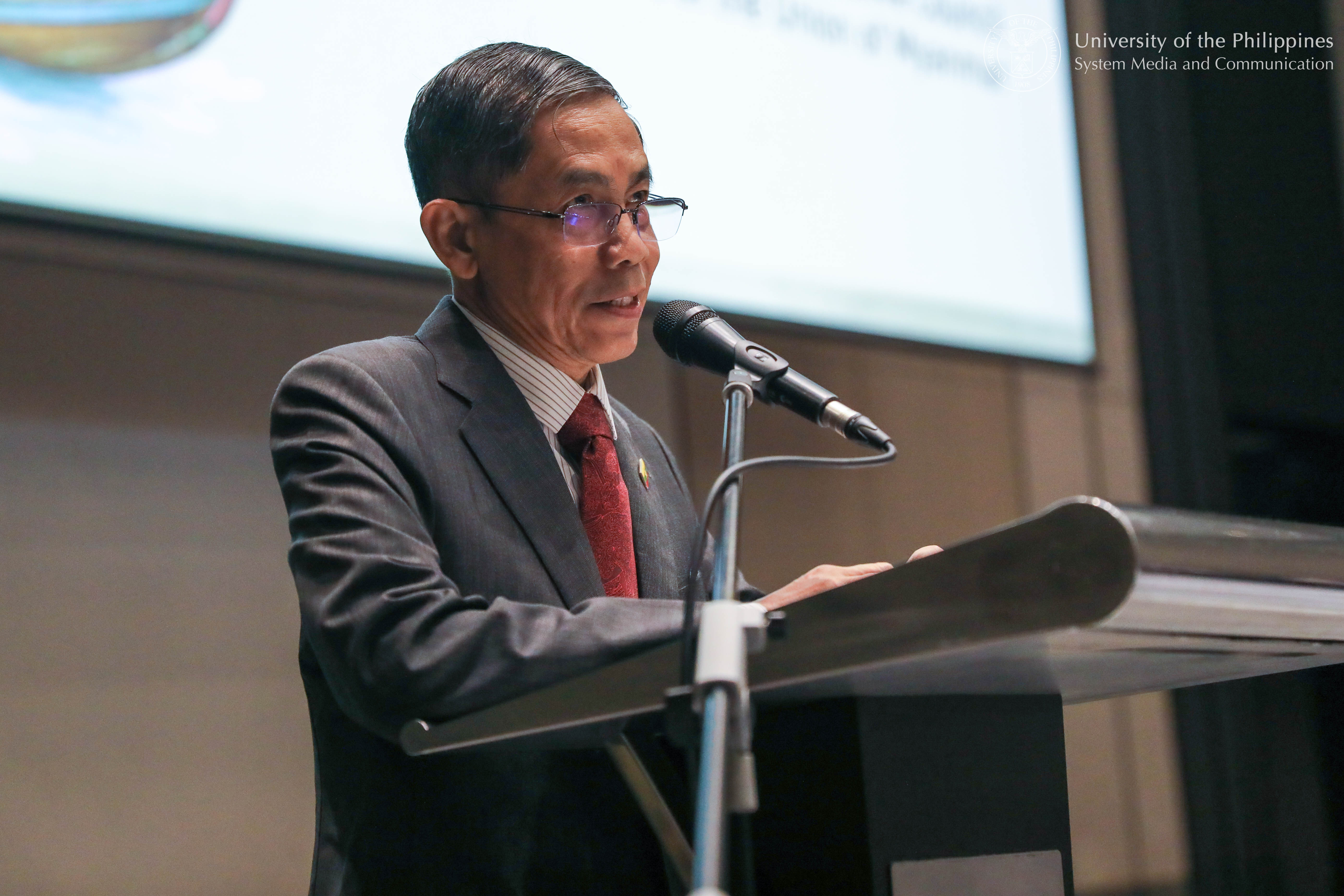
In the keynote speech of Department of Foreign Affairs Secretary Maria Theresa Lazaro delivered by DFA Undersecretary for Administration Maria Theresa Dizon-De Vega, it was emphasized that the partnership between ASEAN and the Republic of Korea have meaningful impact because it is not just “how to achieve economic development and growth, but rather it is how to sustain development, strengthen economic resilience, and ensure that development benefits peoples.”


The symposium was envisioned to be a platform for translating shared development experience into actionable reform through evidence-based exchanged policy insights, while leveraging Korea’s strategic contributions in partnership with Southeast Asian nations. It featured keynote sessions on regional security and economic development, state capacity for public sector reform, and higher education reform, as well as a plenary session focusing on the symposium theme. 

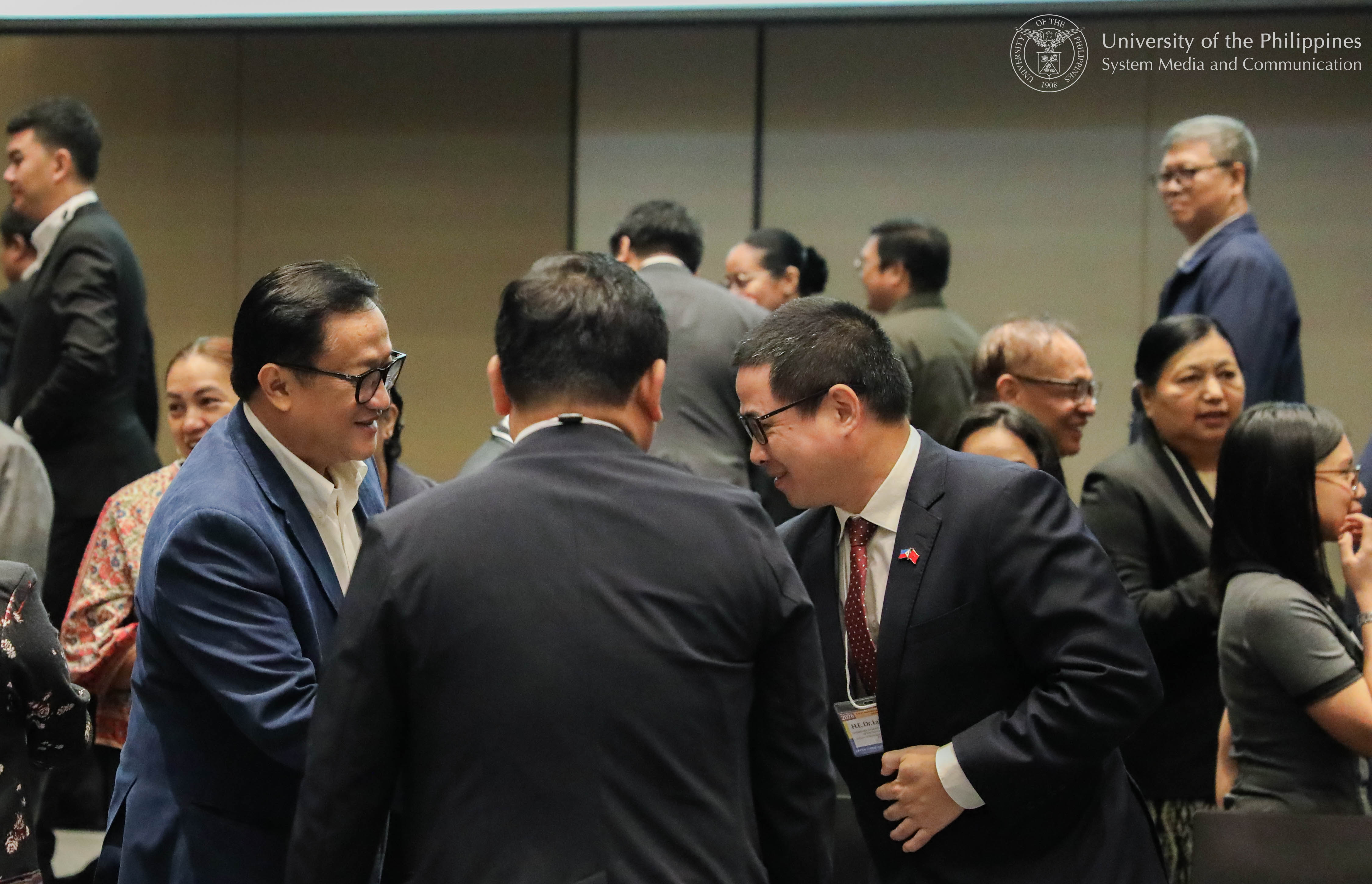
UP President Angelo Jimenez (left, in blue) meets and greets the delegates prior to the start of the symposium. Photo by Jun Madrid, UPS-MCO.