


Educators, researchers, and advocates gathered to discuss gender-related issues and practices to advance gender justice and inclusion across universities in the ASEAN region.
“Forum on Gender-Transformative Curriculum: Reimagining Education and Advancing Gender Justice in the ASEAN,” was held Dec. 15, 2025, at the College of Social Sciences and Philosophy, University of the Philippines Diliman. It was organized by the ASEAN University Network-Gender Justice and Inclusion, with the UP Center for Women’s and Gender Studies and the UP Diliman Gender Office.
Prompted by identified gendered issues, representatives from academic institutions discussed ways to promote gender-responsive and gender-transformative approaches in higher education institutions.
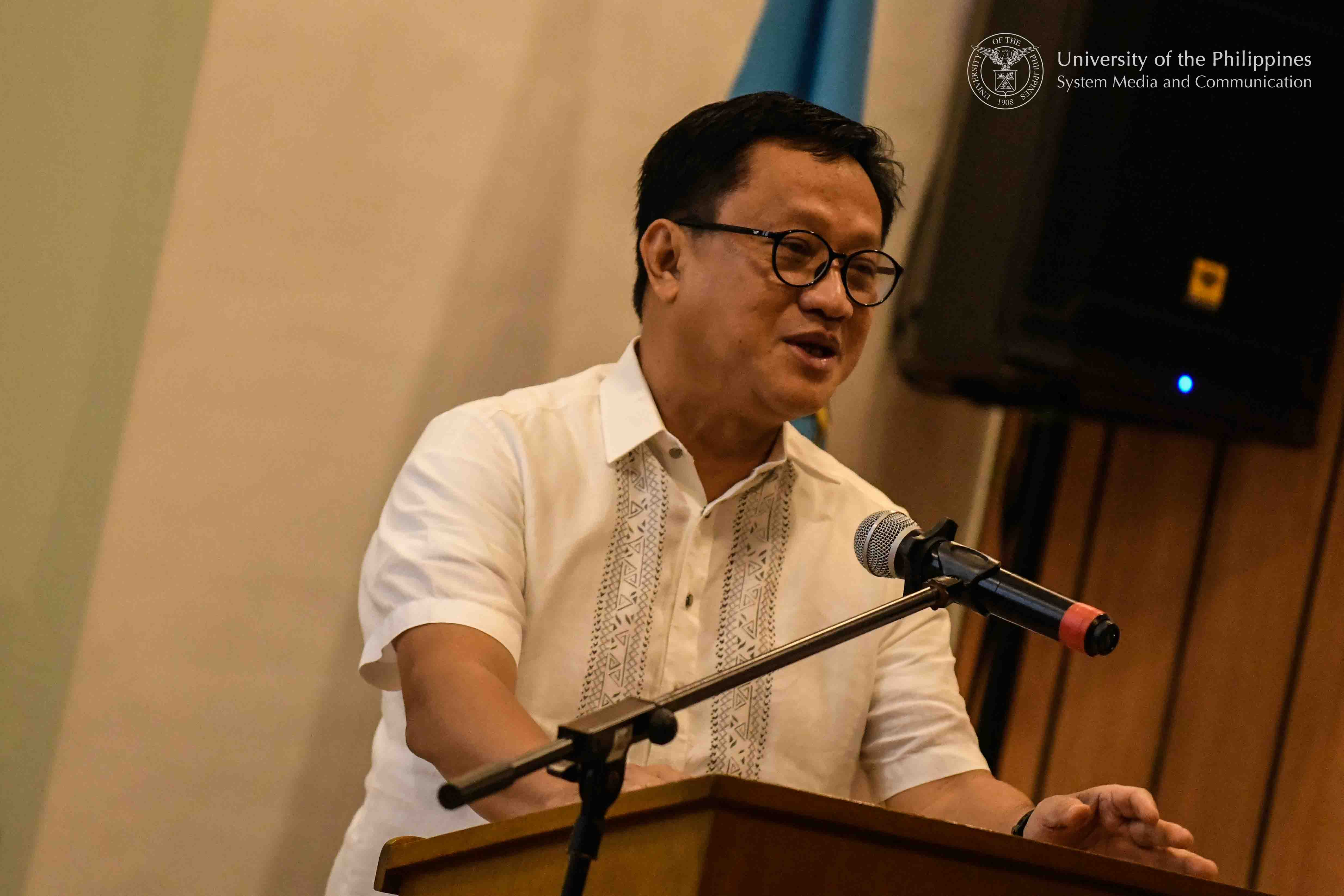
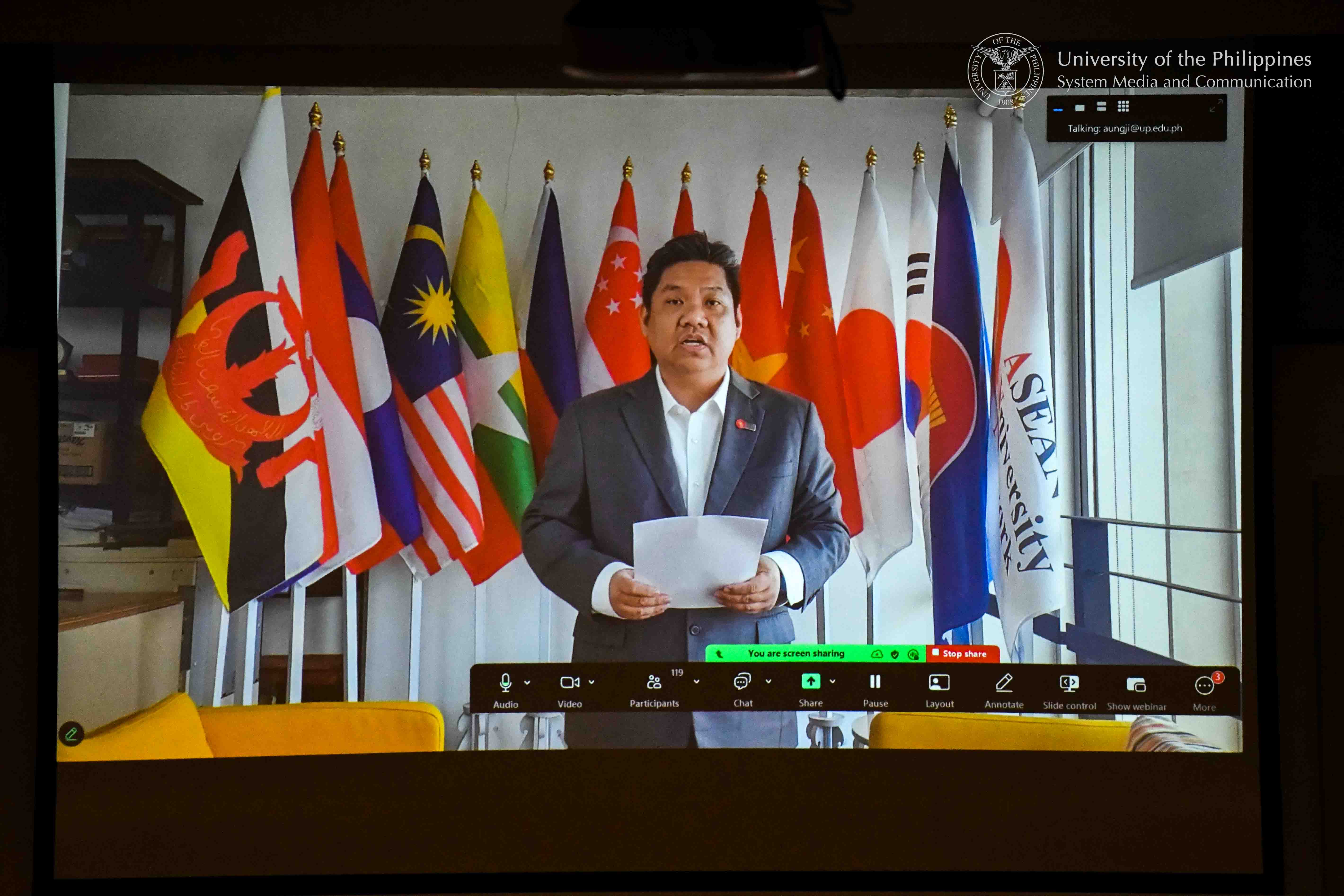
Singapore Management University President Lily Kong led the discussion on prevailing gendered issues in academe. She said that women remain underrepresented in tenure tracks, research leadership, senior leadership ranks, and governance committees despite significant progress in women’s participation in HEIs across the ASEAN and the Asia-Pacific region. Kong asserted that HEIs must “make gender equity a foundational value rather than an afterthought.”
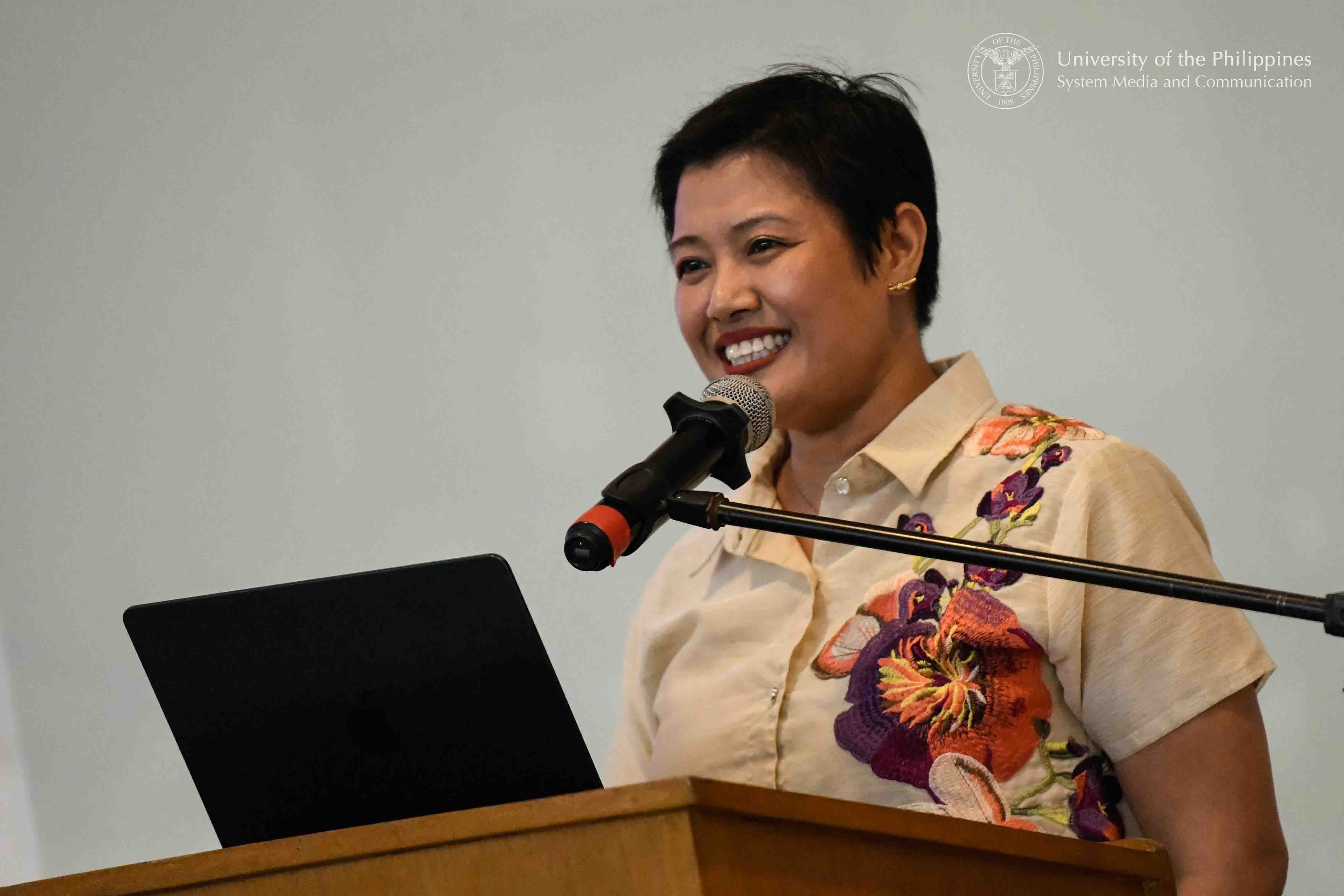
Professor Emeritus Maria Luisa Camagay, commissioner of the academe/education sector of the Philippine Commission on Women, tackled the lack of gender awareness in pedagogy. She argued that educational institutions must integrate gender into teaching and learning processes, curriculum-design, and classroom management. Camagay added that a gender-transformative approach in higher education curricula is one that “examines, challenges, and changes the underlying causes of gender inequalities.”
UP President Angelo Jimenez highlighted the role of HEIs in addressing gender-related issues. Said Jimenez, “Higher education must continuously learn, adapt, and lead in bending gender-transformative approaches across disciplines, classrooms, and institutional cultures.”

AUN-GJI is a thematic network under the AUN, an organization of universities in the ASEAN region that promotes collaborative studies and research programs. According to the AUN, thematic networks are “specialized areas of academic cooperation that are deemed significant enough for a new secretariat to be established to tackle it.”
UP leads AUN-GJI through the UPCWGS, working to advance gender equality, equity, and inclusion across universities in the ASEAN region. The thematic network was conceptualized in 2023, approved during the 15th AUN Rectors’ Meeting and 39th AUN Board of Trustees Meeting in July 2024, and launched in March 2025.