

Scientists and innovators from the University of the Philippines showcased their projects to empower communities for disaster response and resilience during the second day of this year’s MAKI+Fiesta 2.0.
The breakout session “From Citizen Science and Participation to Empowerment and Innovation for Resilience and SustAInability,” held Dec. 12 at Aldaba Hall, UP Diliman. was led by Dr. Likha Minimo, director of the UP Resilience Institute Knowledge Sharing Office.
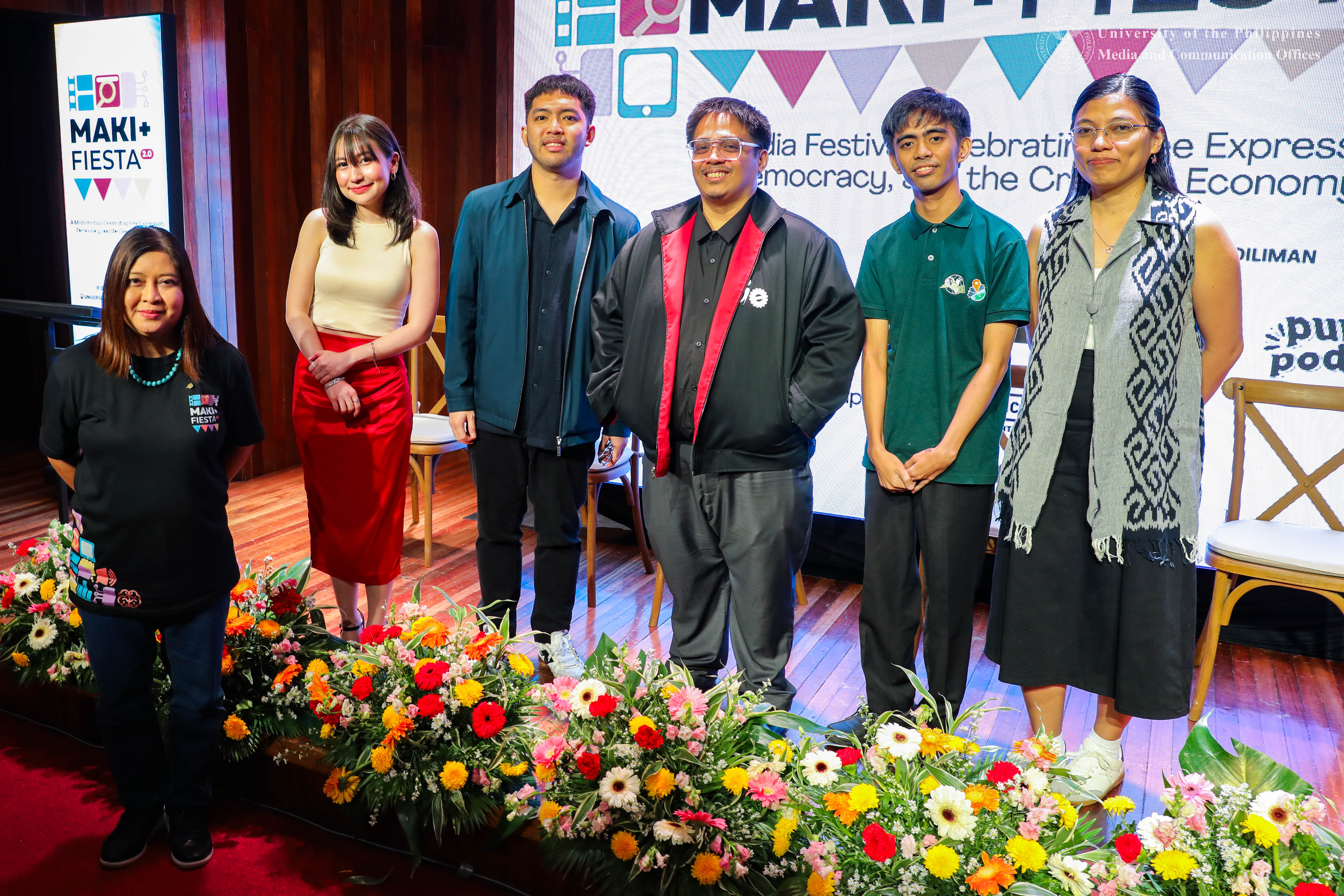
Joining Dr. Minimo in the panel were Assistant Professor Raymond Freth Lagria of the UP Diliman College of Engineering, UPRI YouthMappers President Rian Gio Maculado, and data scientist Rossjyn Lian Yao Fallorina.
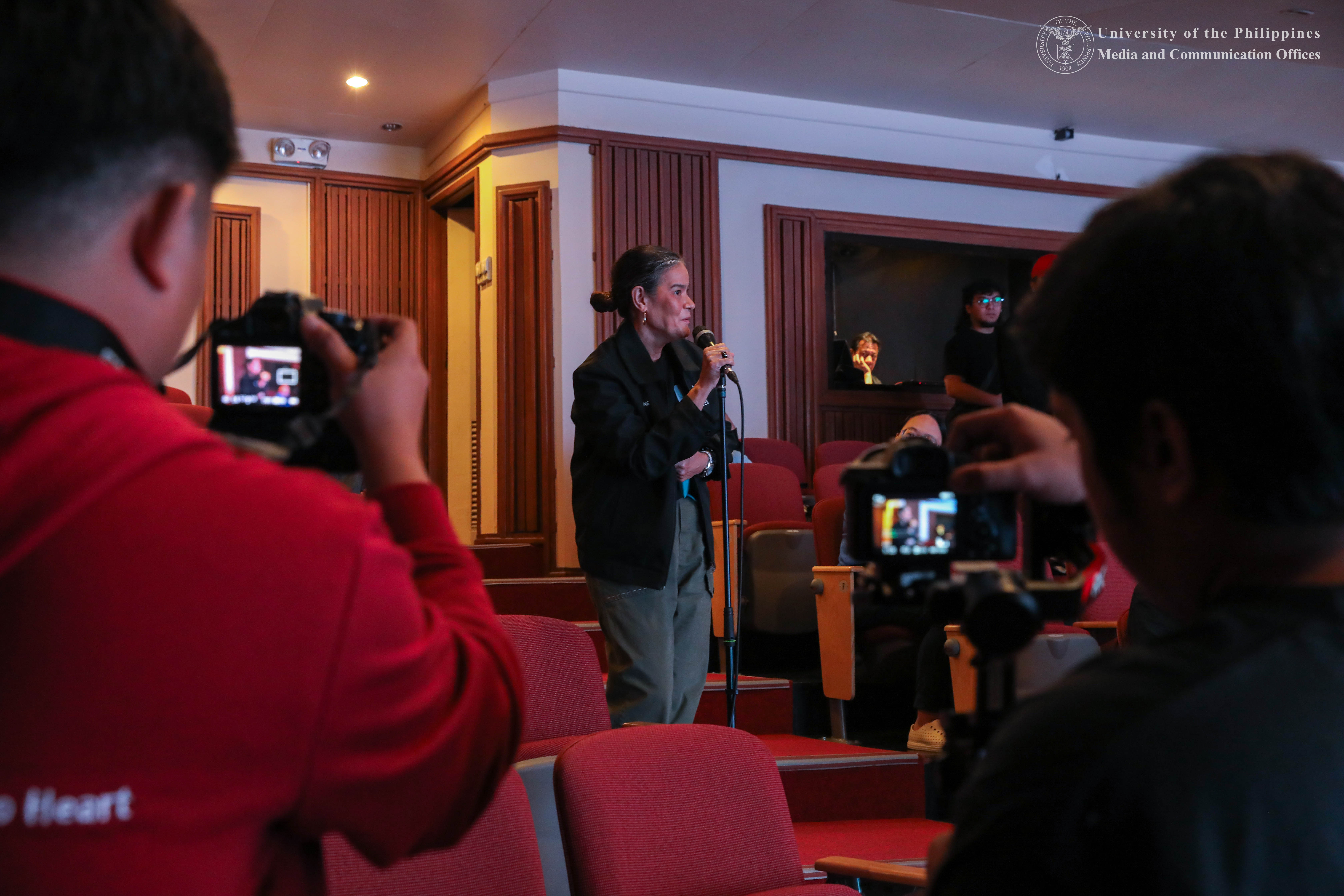
Lagria, who leads Project ABRRAM or the Adaptive Basic Resource Recognition and Allocation Model, highlighted the potential of partnerships between the academe and the government in leveraging emerging technologies such as AI to optimize resource allocation and distribution within local government units, especially during disasters.
Maculado, meanwhile, demonstrated the power of youth engagement in mitigating hazards and building resilient communities with their projects and programs in the UPRI YouthMappers. He also noted the gaps in communicating disaster awareness to the public, especially with younger generations.
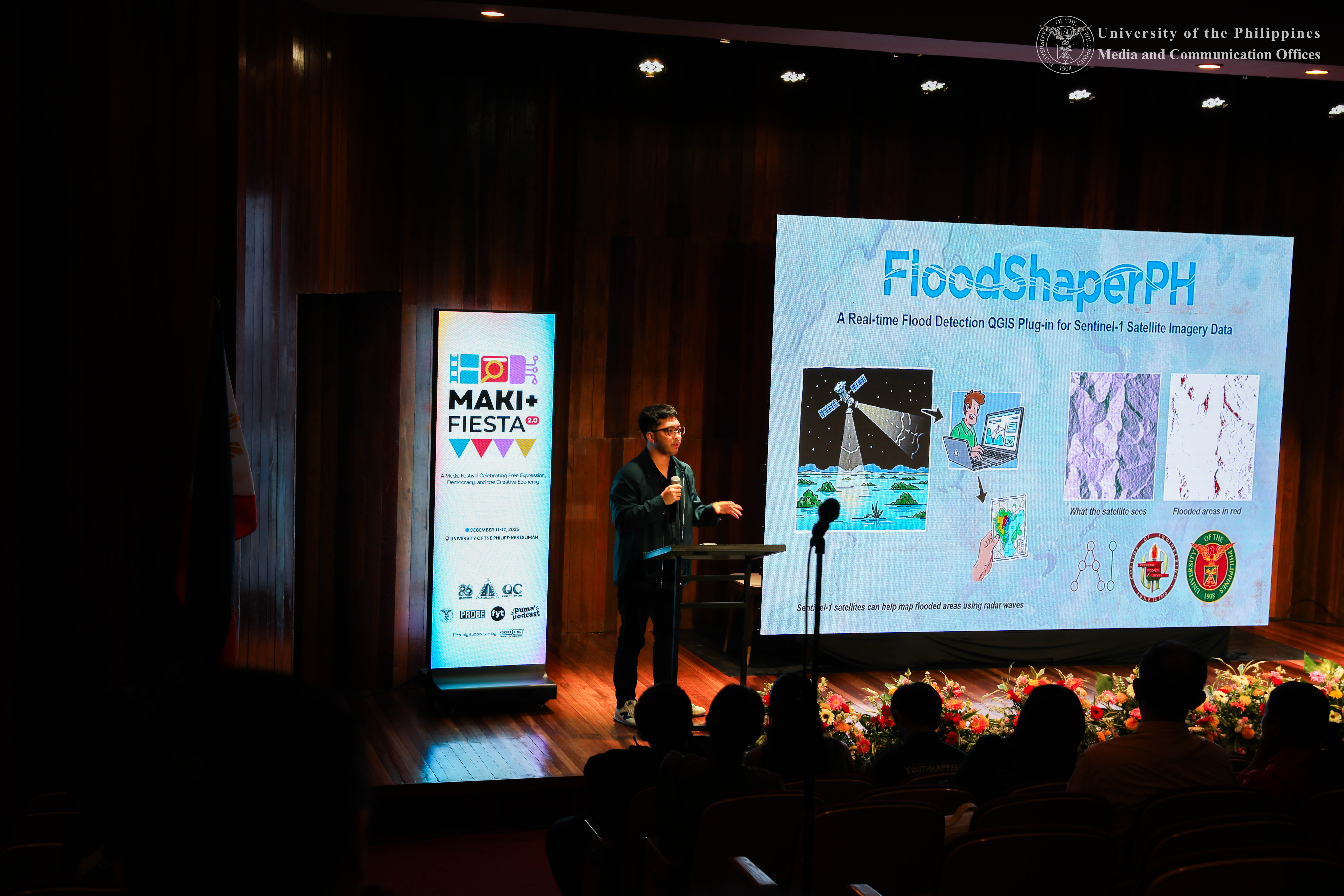
Fallorina presented an overview of his master thesis, FloodShaperPH — a collaborative project with the Philippine Space Agency which introduces an open-source QGIS plugin designed for streamlined and real-time flood detection using Sentinel-1 satellite imagery.
Closing the session, Minimo underscored the importance of citizen participation and empowerment as cornerstones in UPRI’s projects. NOAH or the Nationwide Operational Assessment of Hazards, in particular, was built on crowdsourced data by encouraging citizens to report flooding in their areas to contribute to the project’s flood hazard maps and models.
She also emphasized the urgency of integrated solutions and of demanding foresight, accountability, and sustainability in our disaster risk reduction and management plans and systems. “Losing lives is no longer a risk we are willing to accept, and inequality does not belong in our sustainable future.”


