
Advancing Academic Excellence Towards Transformative Education
The University of the Philippines (UP) recognizes its faculty as a vital component of its academic community and has prioritized initiatives to enhance their welfare and professional development, particularly during the early phase of UP President Angelo Jimenez’s leadership. Within his first 100 days, several impactful efforts were implemented, including the review and endorsement of at least 15 academic cooperation agreements with local and international institutions to support faculty exchange and research collaboration. Additionally, around 10 grant and research collaboration agreements were processed for approval, along with endorsements for donations establishing professorial chairs. The Office of the Vice President for Academic Affairs also supported international engagement through programs and conferences facilitated by the Office of International Linkages (OIL).
UP’s flagship program on academic excellence reflects its strong commitment to advancing teaching, research, innovation, and creative work in the service of society. By promoting interdisciplinary collaboration and a holistic approach to education, the university fosters lifelong learning and prepares students to address modern global challenges. Its transformative learning programs focus on inclusivity, civic responsibility, and sustainability, driven by key initiatives such as curriculum evaluation, expansion and enhancement of academic programs, and the promotion of lifelong learning opportunities to ensure equitable access to education.
Evaluation of Curriculum
The periodic review and evaluation of UP’s curriculum is a key initiative aimed at improving curricular relevance and aligning education with current societal needs. It emphasizes the development of critical thinking and civic engagement while regularly reviewing general education and major courses.
The university also seeks to streamline programs to support timely graduation and better prepare students for the workforce.
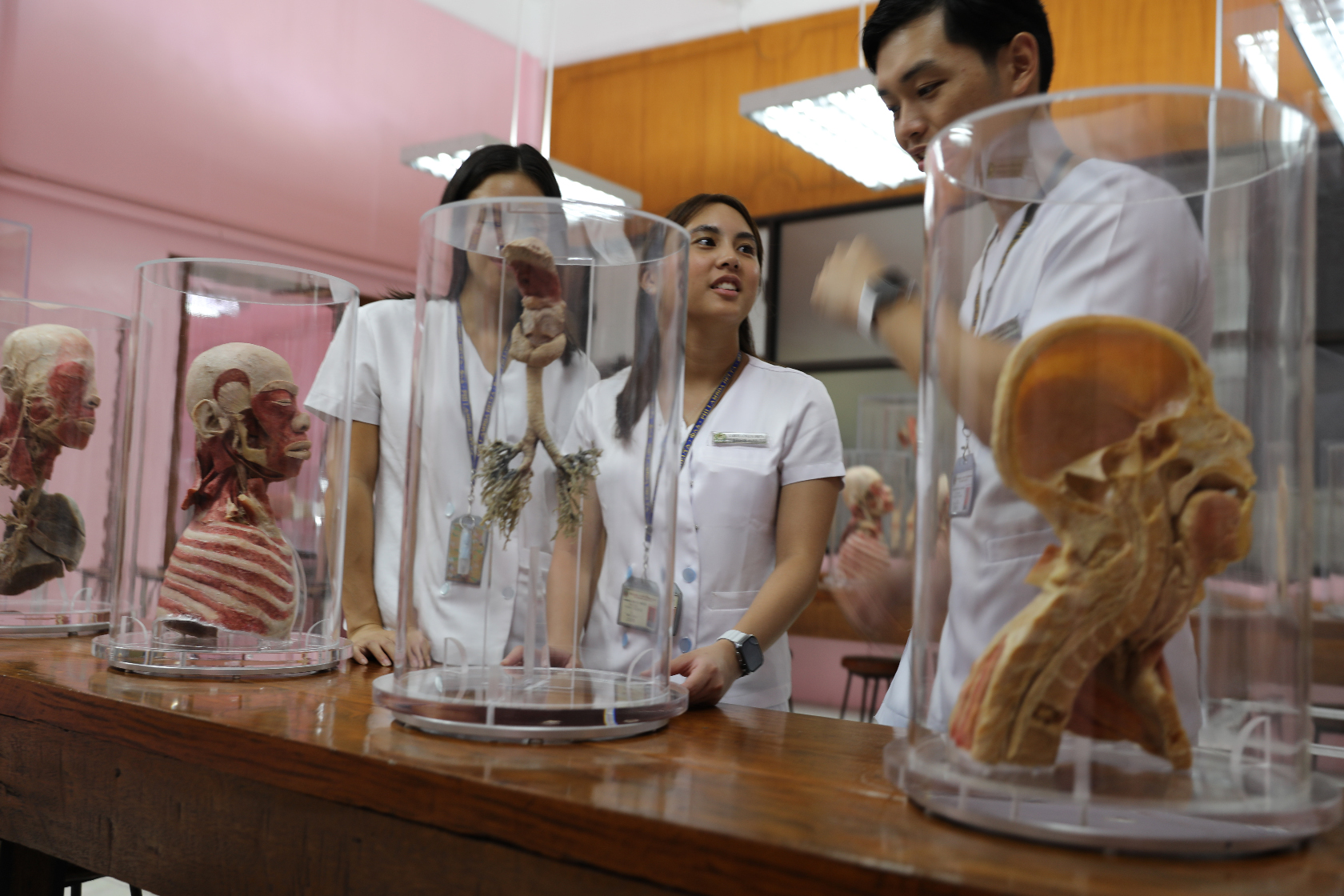
In 2024, the UP Board of Regents (BOR) approved 62 curricular proposals, including seven new degree programs, such as UP Manila (UPM) and UP Open University's (UPOU) joint Master in Nursing Education, three new master's programs in UP Cebu and UP Mindanao (UPMin), and 52 revisions of existing degrees across the UP System. At UP Diliman (UPD), new courses in Korea Studies (KS 101 and KS 102) respond to the growing demand for expertise in East Asian studies and complement flourishing exchange agreements with Korean universities.
The curriculum template was presented to the President's Advisory Council and the BOR in February 2025. Subsequently, the Board referred the template to the University Councils for system-wide consultation. Detailed decisions are available via the 1397th BOR Meeting Gazette.
Academic Program Expansion and Enhancement
The Academic Program Expansion and Enhancement initiative aims to strengthen UP's academic offerings by developing new programs, revitalizing existing ones, and promoting collaboration across campuses. It emphasizes interdisciplinary learning to equip students with diverse, globally relevant skills, while joint and dual-degree programs expand opportunities for internationalization and cross-cultural exchange.
Recent efforts include new and upcoming programs across campuses, such as UP Mindanao's Doctor of Medicine, Associate in Entrepreneurship, and multiple master of science degrees (MS in Quantitative Methods in Modelling, MS in Biology, MS in Civil Engineering, and MS in Industrial Engineering). UPD is introducing new minor programs in communication and theatre, while several UP units are developing resilience-focused graduate programs.
At UP Los Baños (UPLB), the Master in Resilience Studies and the Master in Social Development and Sustainability are being institutionalized.
UP Visayas (UPV) broadened access to advanced academic training for underserved communities by launching the MS in Sustainability. Also, the pioneer graduates of the UP College of Law's Extension Program in Iloilo achieved a 100% passing rate in the 2025 Bar Examinations.
Additional expansions in fields like data science, artificial intelligence, and engineering — some delivered through flexible HyFlex learning — aim to meet industry demands, improve accessibility, and support regional development, particularly in underserved areas like Mindanao.
Ensuring Development Opportunities and Support for Faculty Members

Faculty Merit Promotion
During its 1398th meeting on March 27, 2025, the BOR approved the 2025 Faculty Merit Promotion Guidelines for eligible faculty. The guidelines were developed through extensive review and consultation, by incorporating feedback from past promotion cycles and various university bodies. While finalized, the BOR has called for further refinement, with improved guidelines expected in future cycles.
Deliberations on over 900 promotion applications were deferred to July 2025, with approved promotions to take effect retroactively from July 1. The administration reaffirmed its commitment to a fair, consultative process, and expressed appreciation for faculty contributions, emphasizing that promotion policies should reflect both academic excellence and the diverse roles faculty play in serving the university and society.
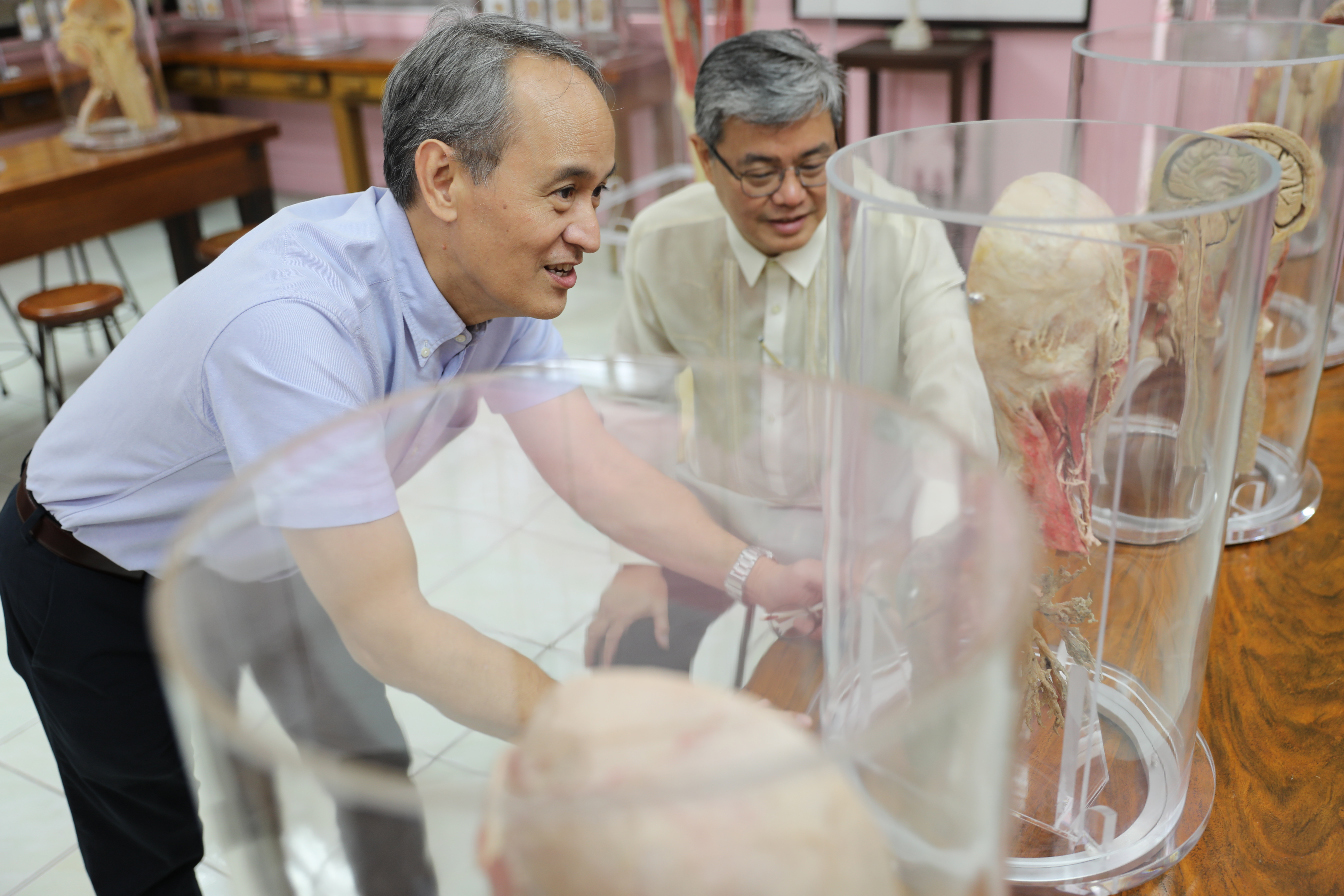
UP Scientific Productivity Award
The university conferred 153 scientists with the UP Scientific Productivity Award in 2025 for their exceptional work in generating knowledge and driving innovation.
Furthermore, faculty members across the UP System garnered national and international recognition, published research in prestigious journals, and advanced scientific and creative fields, from environmental science to molecular research.
Strengthening Institutional Capacity and Infrastructure
UP continued to strengthen its institutional infrastructure to support its expanding academic and research goals. New offices, research hubs, and facilities were created to enhance governance, innovation, and service delivery, including academic and administrative units for specialized programs, as well as investments in advanced laboratories and innovation centers.
Institutional Milestones & Developments
Elevated as a unit of the Office of the Vice Chancellor for Research and Extension, approved by the BOR during its 1385th meeting on November 30, 2023.
Formally approved by the BOR during its 1385th Meeting on November 30, 2023.
NEDA Board approved the revised structure for the public-private partnership project in May 2024.
Groundbreaking for the first facility in the country, inside the S&T park of the future UP Tacloban College (UPTC) campus in Sta. Elena, Leyte, held in May 2024.
Inaugurated the Makiling Residence Hall (MAREHA) Learning Hub, a project in collaboration with the UP Alumni Association in New York (UPAA-NY).
Opened the Necropsy Facility under the University's Veterinary Teaching Hospital (VTH).
Inaugurated its West Wing Building, which will feature faculty rooms, classrooms, offices of SOLAIR's three centers, and a mini hall for training and seminars.
Creation approved by the BOR at its 1404th meeting on November 26, 2025.
Creation approved by the BOR during its 1403rd meeting on September 30, 2025.
Approved by the BOR on February 23, 2023, to implement the BS Accountancy Program at the College of Economics and Management (CEM).
Inaugurated two new facilities for gene-based medical intervention: the Center for Precision Medicine, the clinical arm headed by pediatrician and geneticist, Dr. Eva Maria Cutiongco-Dela Paz; and the Next Generation Sequencing Unit inside the Molecular Pathology and Genomics Laboratory.
Development of the UP Visayas Extension Campus in Antique (UPV-ECA) in Barangay Nauring, Pandan, Antique, ongoing throughout 2024 and 2025.
Renamed College of Media and Communication, as approved by the BOR during its 1396th meeting.
Inaugurated its Digital Dental Laboratory at the Center for Oral Health.
Marked the first income share from their joint venture, the eMed electronic health record (EHR) system, co-developed by the two institutions.
Officially launched the Center for AI and Robotics (CAIR): AI and Robotics FabLab SSF on June 30, 2025, at the CARIM Building, UP Mindanao.
System-wide efforts toward ISO-aligned quality management and operational efficiency demonstrate UP's commitment to accountability, transparency, and continuous improvement.
The UP Teaching Assistantship Program has appointed 297 Teaching Assistants for January to December 2024, with 257 Teaching Associates (students pursuing master's programs) and 40 Teaching Fellows (students pursuing doctoral programs).
The UP Visiting Professor Program has appointed 29 Visiting Professors for 2024. This program aims to increase the number of PhD and MS mentors in UP and to provide expertise for external quality assurance reviews to improve degree programs.
Reinforcing UP as a Research University
UP Graduate Mentorship and Research Summit
UP convened academic leaders across its campuses through a series of Graduate Mentorship and Research Summits aimed at strengthening graduate education, research, and mentorship. These gatherings brought together chancellors, deans, and program heads of doctoral and master's programs to assess the state of graduate education, share best practices, and develop strategies to enhance mentorship environments and student success. Activities included plenary sessions, workshops, consultations, and visits to key laboratories and academic units in UPD.
Led by the newly established Office of the Vice President for Research and Innovation, the summits emphasized policy development and collaborative approaches to reinforce UP's role as the country's leading graduate, research, and public service university. Held in multiple iterations since September 2025, the series continues to support improvements in doctoral and master's programs, promote innovation, and strengthen institutional pathways for advancing graduate education.

Internationalization
UP’s internationalization efforts, led by the Office of International Linkages, advance global academic and research collaboration through exchanges, joint research, and resource sharing. The university maintains partnerships with about 350 institutions across 43 countries, with the majority located in Asia, and actively participates in international networks that support cooperation in undergraduate and graduate programs.
UPD alone holds over 140 agreements worldwide, enabling exchanges and joint academic initiatives, including dual-degree programs. Examples include the MS in Regional Development Planning with a German university, and a PhD in Chemistry program with a US university, both designed to strengthen research capacity and global academic engagement.
Advancing Gender Equity and Inclusive Education
UP further strengthened its position as a regional leader in gender equality and inclusion. The UP Center for Women's and Gender Studies launched a system-wide Gender Audit to assess policies, practices, and campus environments across all constituent universities. The Center also piloted an Engendering the Curriculum module with UPD faculty to integrate gender perspectives into course content and pedagogy.
On the international front, UP spearheaded the establishment of the ASEAN University Network on Gender Justice and Inclusion (AUN-GJI), approved by the AUN Board of Trustees in July 2024. The network, conceptualized by UP leaders, will drive research, policy advocacy, and capacity-building on gender-related issues across Asian higher education institutions. Through AUN-GJI, UP positions itself at the forefront of regional efforts to address gender-based violence, educational and healthcare inequities, and economic disparities.
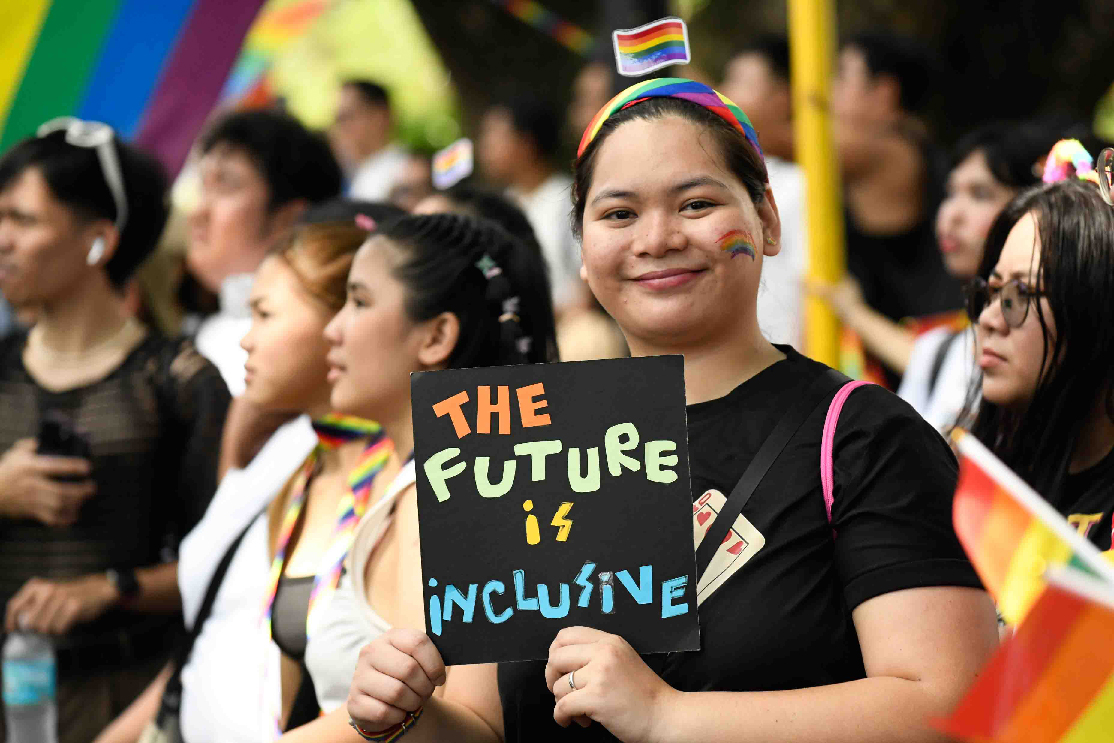
Lifelong Learning Initiatives
UP's Lifelong Learning Initiatives promote accessible, continuous education by offering microcredentials and stackable courses that support personalized learning paths. Through digital platforms, the university expands access beyond traditional limits, encouraging ongoing skills development and competency building.
UPOU-led programs such as the Massive Open Online Courses (MOOCs) and the Open Distance e-Learning (ODeL) provide free, self-paced courses across various fields. These courses allow learners to earn certifications and additional learning credits, supporting both professional growth and lifelong learning.
The UPOU's Ventures for International and Transformative Academia (UP VINTA), which aims to bring UP's open and distance learning programs to overseas Filipino communities has also strengthened UP's vision of borderless education, making quality UP education more accessible to Filipinos wherever they may be while fostering global partnerships that advance lifelong learning, innovation, and public service.
Complementing these initiatives are collaborations such as UPM's partnership with OpenLearning, an AI-powered platform for short courses, that facilitates the delivery of self-paced courses across various disciplines.
TVUP, the university's Internet television (webcast) network dedicated to providing free information and educational content, expanded its open educational resources with lectures and new series, also made available online via Cignal TV, such as GE Lectures, Fake Fake News (media literacy), and Health Updates, making high-quality education widely accessible.
Public lectures and research dissemination platforms, such as the UP Center for Integrative and Development Studies' Brown Bag Series and specialized training programs in governance and public administration, further reinforce UP's role as a hub for lifelong and inclusive education.
References
Advancing Academic Excellence Towards Transformative Education
- Dabu, F. (2025, October 7). UP holds ‘Graduate Mentorship and Research Summit.’ University of the Philippines.
- Dabu, F. (2026, February 18). OVPRI leads UP Graduate Mentorship and Research Summit III. University of the Philippines.
- Llaneta, C. A. (2024, August 1). UP leads creation of ASEAN uni network on gender justice and inclusivity. University of the Philippines.
- MPRO Editorial Section. (n.d.). The first 100 days of the administration of UP President Jimenez.
- UP Mindanao Public Relations Office. (2024, May 7). UP Mindanao expands degree programs, touts new inclusive admission policies. University of the Philippines.
- UP System Media and Communication Office. (2025). University of the Philippines System Annual Report 2024: Advancing the national university’s transformative mandate.
- UPMin announces eng’g graduate programs to be delivered via hyflex mode. (2025, April 30). University of the Philippines.
Expanding Access, Preserving Excellence: UP’s Push for Inclusive Admissions
From 2023 to 2025, the University of the Philippines intensified efforts to make admission to the country’s premier state university more equitable, without compromising academic standards. Under the administration of President Angelo A. Jimenez, inclusive admissions has emerged as a central reform agenda, aimed at ensuring that UP better reflects the diversity of the nation it serves.
This effort is grounded in Republic Act No. 9500, or the UP Charter of 2008, which mandates the University to promote democratic access to quality education. The Charter calls on UP to take affirmative steps to support students from disadvantaged backgrounds, including those from geographically isolated and underserved communities.
Transition and Reform in Admissions
When President Jimenez assumed office in February 2023, UP was still operating under the UP College Admission (UPCA) system, a pandemic-era adjustment that relied on high school grades rather than the traditional entrance exam. For Academic Year 2023–2024, admissions continued under this model, with thousands of applicants evaluated based on academic performance.
A major transition soon followed. In June 2023, UP reintroduced the UP College Admission Test (UPCAT), marking the return of in-person examinations after three years of suspension. The move restored a key component of UP’s admissions system while opening opportunities to refine how merit and equity are balanced.
The return of the UPCAT also came with expanded access. By 2024, UP had significantly increased the number of testing centers nationwide—from just over 100 sites to full coverage across all provinces. Test centers were also established in select Middle Eastern locations to accommodate overseas Filipino applicants. These changes reduced geographic and financial barriers that previously discouraged students from remote areas from applying.
Addressing Structural Inequality
Despite its reputation for academic excellence, UP has long faced criticism over the composition of its student body. Data from recent admissions cycles revealed persistent imbalances: a majority of admitted students came from private schools and urban areas, while public school students and those from rural regions remained underrepresented.
President Jimenez acknowledged this disparity early in his term, emphasizing that a national university must serve the full breadth of the Filipino population. The administration’s response has been to strengthen policies that consider socioeconomic background and geographic origin alongside academic performance.
By 2025, early results of these reforms were becoming evident. More than half of UPCAT qualifiers—around 55%—came from public schools, a significant increase from previous years when private school students dominated admissions. This represented the reversal of a long-standing trend in the university where more students from private schools dominated the UPCAT applications. There was also a noticeable rise in first-generation college students and applicants from provinces outside Metro Manila.
These shifts signal progress toward a more representative student population, though university officials emphasize that inclusive admissions remains a long-term effort.
Supporting Students Beyond Admission
UP’s approach recognizes that access does not end with admission. For many students from low-income families, the cost of living, including housing, food, transportation, and learning materials, remains a major barrier even with free tuition under Republic Act No. 10931.
To address this, the University launched the Lingap-Iskolar Program in 2024. The initiative provides comprehensive financial and logistical support to UPCAT qualifiers from geographically isolated and disadvantaged areas (GIDA). Benefits include housing assistance, food and transportation allowances, learning materials, and mentorship support.
The program was designed in response to a troubling trend: each year, a significant number of qualified applicants., estimated at around 40% of those from disadvantaged backgrounds, fail to enroll due to financial constraints. By directly addressing these challenges, UP aims not only to admit more students from underserved sectors but also to ensure they can complete their education.
In its first year, the program provided 194 Lingap scholars around PhP165,000 each in financial aid, plus mentoring support coordinated by the Office of Student Affairs in their campus. For 2025, UP earmarked funds to support 300 Lingap scholars, and plans to expand coverage to more scholars annually.
Broadening Pathways to UP
Beyond the UPCAT, UP has also expanded alternative pathways to admission. Associate degree programs, which allow students to transition into full bachelor’s programs after demonstrating academic performance, are being strengthened across campuses.
Programs such as the Varsity Athletics Admission System (VAAS) also recognize talent beyond traditional academic metrics, offering opportunities to students with exceptional abilities in sports and the arts. Meanwhile, policies are being reviewed to better accommodate non-traditional learners, including those from alternative learning systems and homeschooling backgrounds.
At the grassroots level, UP’s Ugnayan ng Pahinungód continues to conduct outreach programs in underserved communities. These initiatives provide UPCAT orientation, review sessions, and confidence-building activities for students who may otherwise lack access to preparation resources.
Balancing Excellence and Equity
A recurring concern among stakeholders is whether a more inclusive admissions policy could dilute UP’s academic standards. University officials have consistently rejected this notion.
Instead, the administration frames inclusivity and excellence as complementary goals. By widening access, UP taps into a broader pool of talent, enriching its academic community and strengthening its role in national development.
As UP President Jimenez has emphasized, the goal is not to lower standards, but to remove systemic barriers that prevent capable students from demonstrating their potential.
A Continuing Journey
While significant strides have been made, UP acknowledges that inclusive admissions is an ongoing process. Structural inequalities in the broader education system continue to affect who applies, who qualifies, and who ultimately enrolls.
Still, the direction is clear. Through expanded testing access, targeted financial support, outreach programs, and policy reforms, the University is steadily working toward a student body that better mirrors the nation.
As President Jimenez noted during the 2025 UPCAT results announcement, the release of admission results is more than a routine exercise—it is “opening doors” to opportunity, service, and nation-building.
For UP, those doors are now wider than they have been in years.

References
Expanding Access, Preserving Excellence: UP’s Push for Inclusive Admissions
- Llaneta, C. A. C. (2024, June 9). Flagship Program 2: Inclusive Admissions. University of the Philippines.
- Florendo, Jo. (2024, May 9). UP announces new degree programs in Mindanao campus and more inclusive admissions policy nationwide. University of the Philippines.
- UP expands degree programs in Mindanao campus, pushes more inclusive admission policy nationwide. (2024, May). INQUIRER.net.
- Coballes, C. (2024, May 16). UP opens new UPCAT testing centers for 2024, with 113 sites nationwide. UP Diliman Office of the Vice Chancellor for Academic Affairs.
- Reyes, D. (2024, June). With new admission policy, UP wants to dispel “elite” tag. INQUIRER.net.
- Ugnayan ng Pahinungod Flagship Programs. (2026). Ugnayan ng Pahinungód.
- UPCAT 2025 Results Now Out: UP Announces Admission Offers for AY 2025–26. (2025, April 22). University of the Philippines.
- Cariaso, B. (2025, July 27). UPCAT 2026 set August 2 to 3. Philippine Star.
- Mantaring, J. R. (2026, April 22). UPCAT 2026: Over 18,000 passers, more than half from public schools. Rappler.
- Admission offers now sent to 18,000 UPCAT 2025 qualifiers. (2025, April 22). University of the Philippines.
- Dabu, F. (2025, April 25). UPCAT results show higher number of qualifiers from public schools; UP hikes support for incoming first-year students. University of the Philippines.
- UP announces program for brilliant minds from far-flung communities. (2025, April 22). University of the Philippines.
- Concordia, C. (2025, November 14). UP honors people behind UPCAT. University of the Philippines.
- Jamilla, P. (2025, August 5). Landbank pledges support for UP scholars, faculty. University of the Philippines.
- Reyes, D. (2026, April). UP: “Inclusive” 2026 UPCAT results with more passers from public schools. INQUIRER.net.
- Jamilla, P. (2026, April 24). More than 18,000 qualify for 2026 admission to UP, qualifiers from public schools rise to 57.1% from 55% last year. University of the Philippines.