Forum tackles cost of PH politics

| Written by Fred Dabu

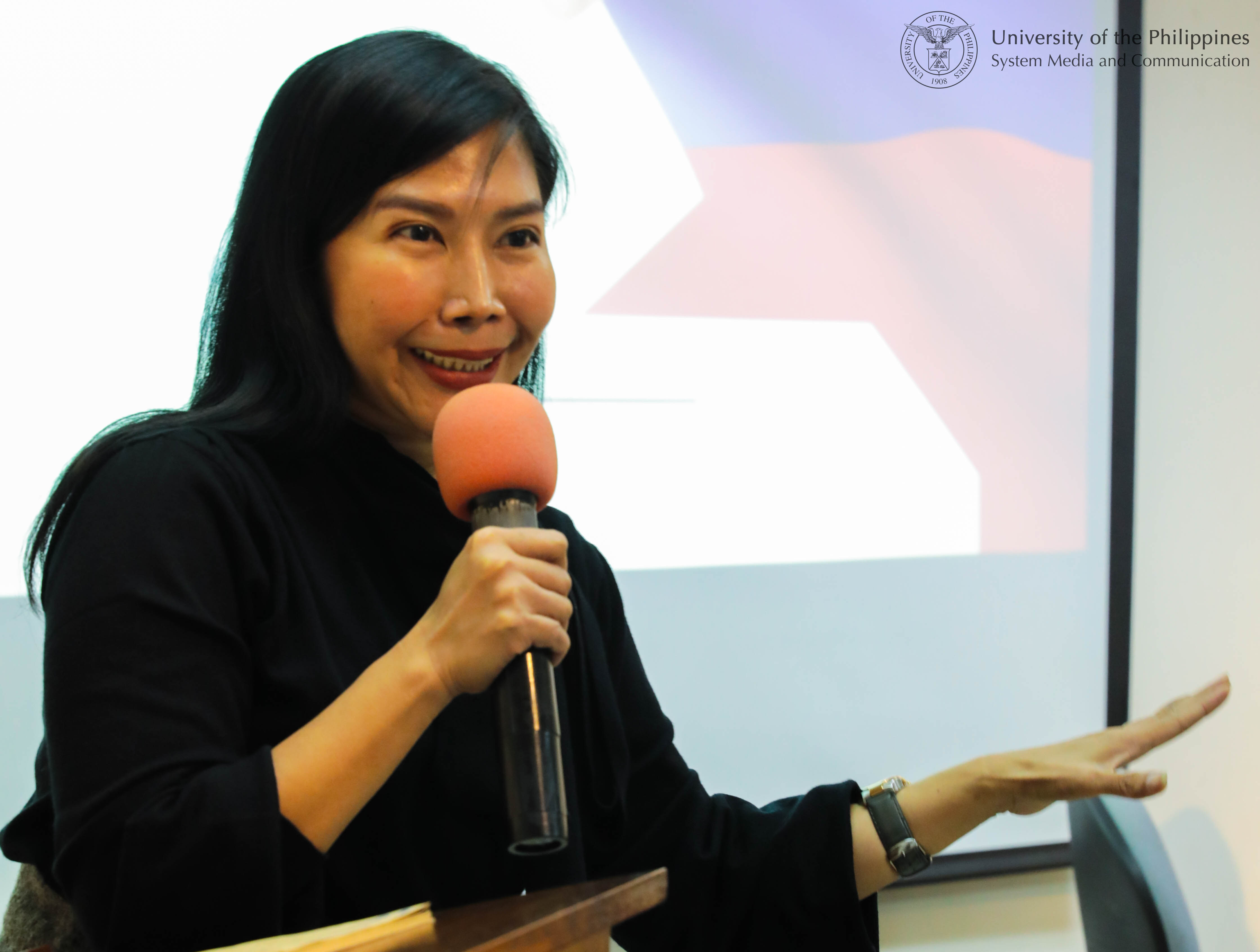
Professor Jean Encinas-Franco presents the cost of winning and maintaining public office in the Senate and the House of Representatives. Photo by Jonathan Madrid, UPS-MCO.

Advertising makes up the bulk of election costs, with campaign collaterals and ground operations taking huge chunks of the budget as well. “Progressives” with very limited funds tend to focus their resources on community-based organizing.


These and other key findings of the study on the cost of running for and holding office in Philippine Congress were discussed in a validation forum headed by lead researcher, Political Science Professor Jean Encinas-Franco of the University of the Philippines Diliman. The event, held Oct. 29 at the Asian Center, UPD, was co-organized by the Westminster Foundation for Democracy and UP sa Halalan 2025.


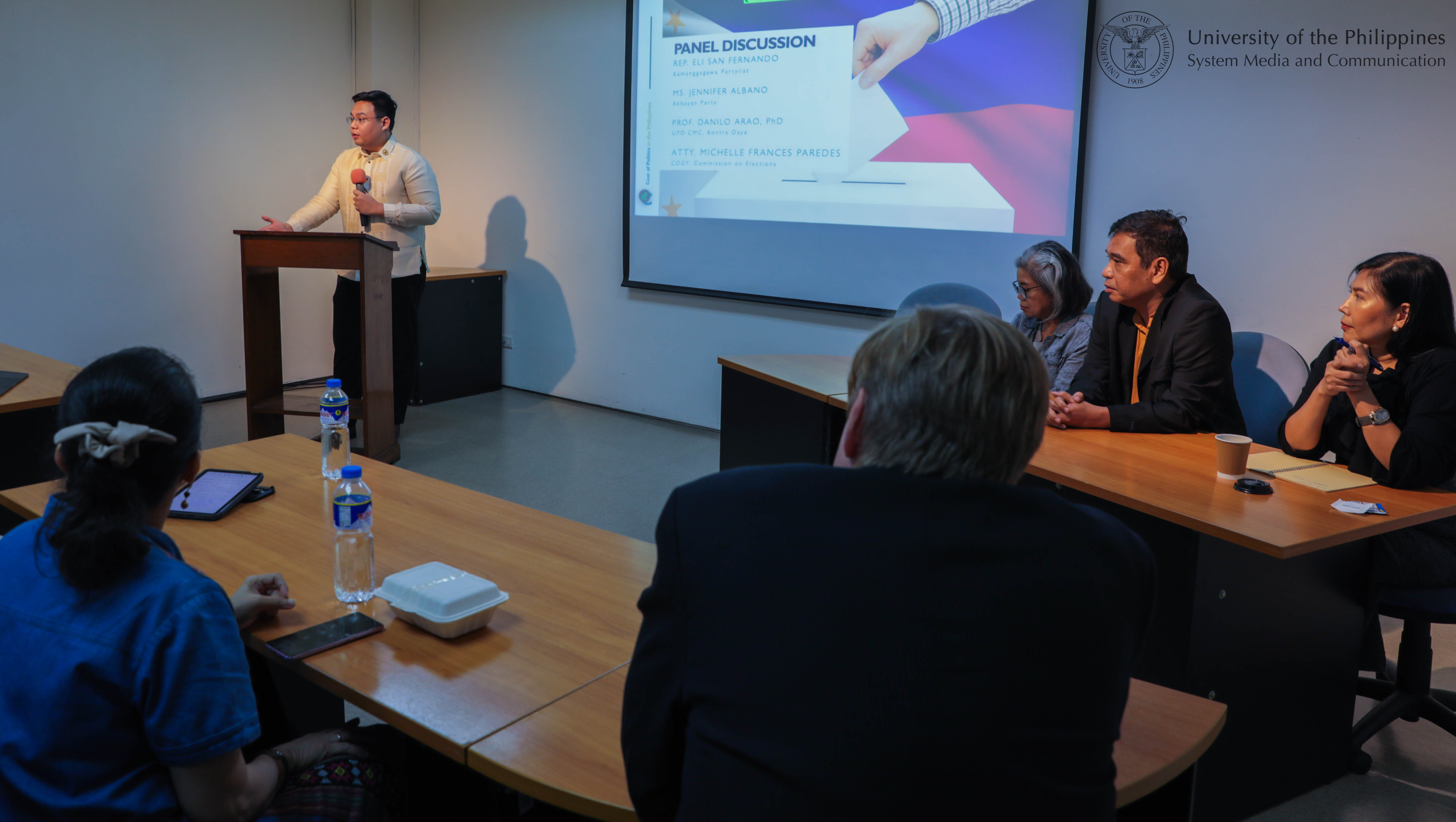
The panelists were: Representative Elijah San Fernando, Kamanggagawa Party-list; Jennifer Albano, Akbayan Party officer; Professor Danilo Arao, UP College of Media and Communication, who is also convenor of Kontra Daya; and Atty. Michelle Frances Paredes, Commission on Elections project director. 

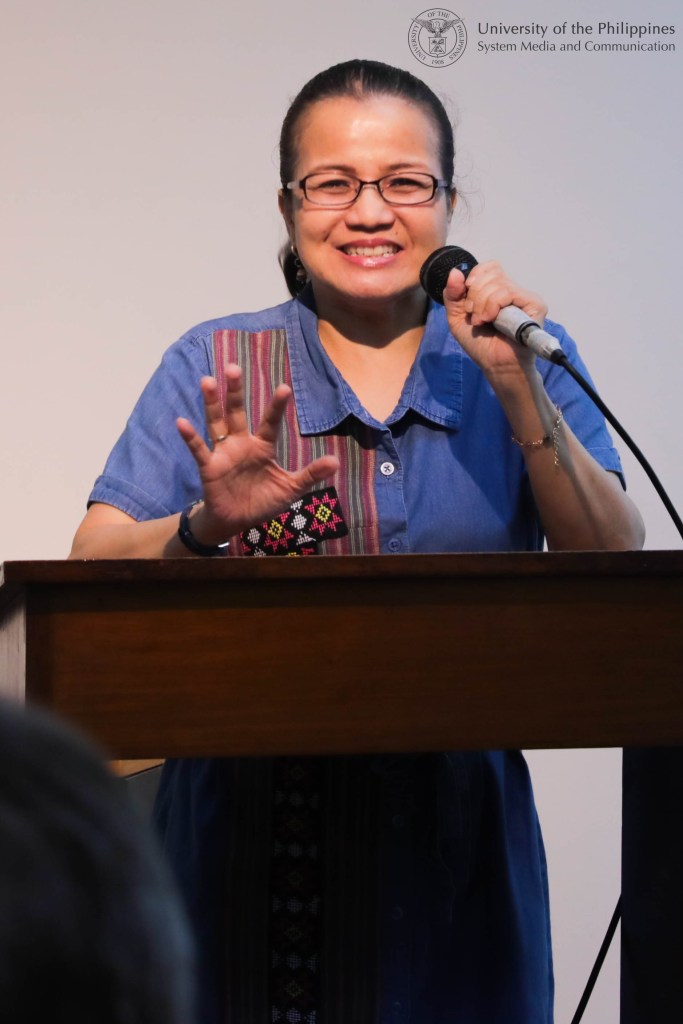
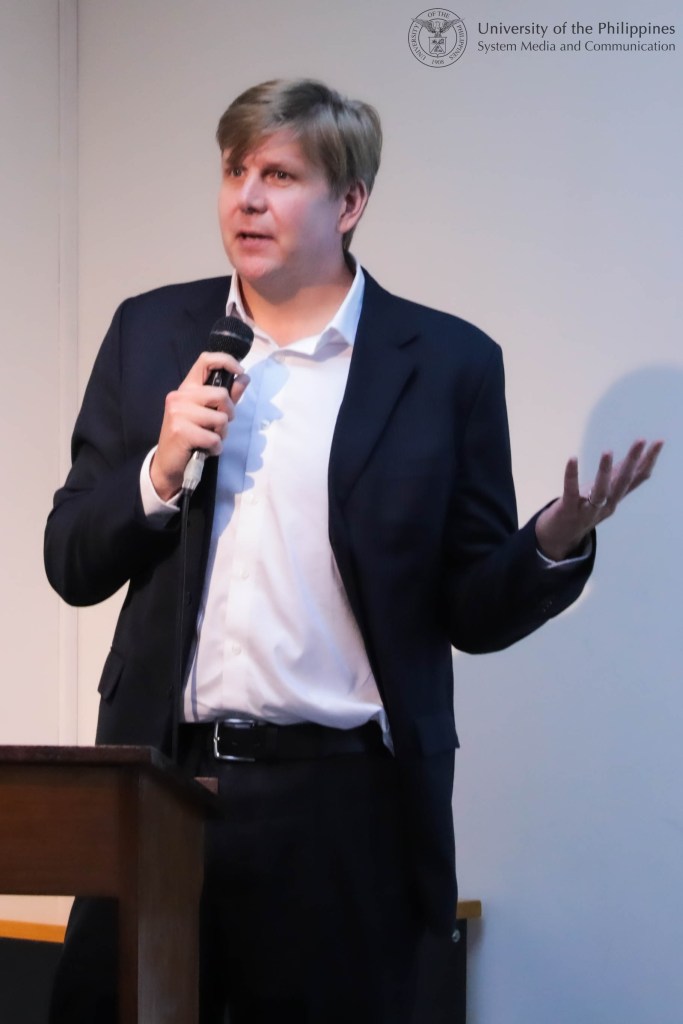
Scenes from the Forum

The study, done August to September 2025 by Encinas-Franco with Ronell Delerio and Marlon Cornelio, reveals a wide gap between the candidates’ reported and actual campaign expenditures, the persistence of vote-buying practices, spending for public relations and social media management, among others. The utilization of a legislator’s office budget, pork barrel, congressional insertions, and financial transfers to indigents or “ayuda” were also part of the discussion.


Encinas-Franco stated that personality-based politics, weak political parties, proliferation of political dynasties, poor policy and regulatory enforcement, and geographical and developmental inequities are among the main factors that shape the cost of elections. The study took note of the negative impact on women and youth as underrepresented sectors.


The study recommends the following: revision of the Omnibus Election Code, development of political party legislation, revision of the party-list law, regulation of political dynasties, and capacity building for women and youth candidates. These recommendations aim to make politics more inclusive and democratic, Franco explained.

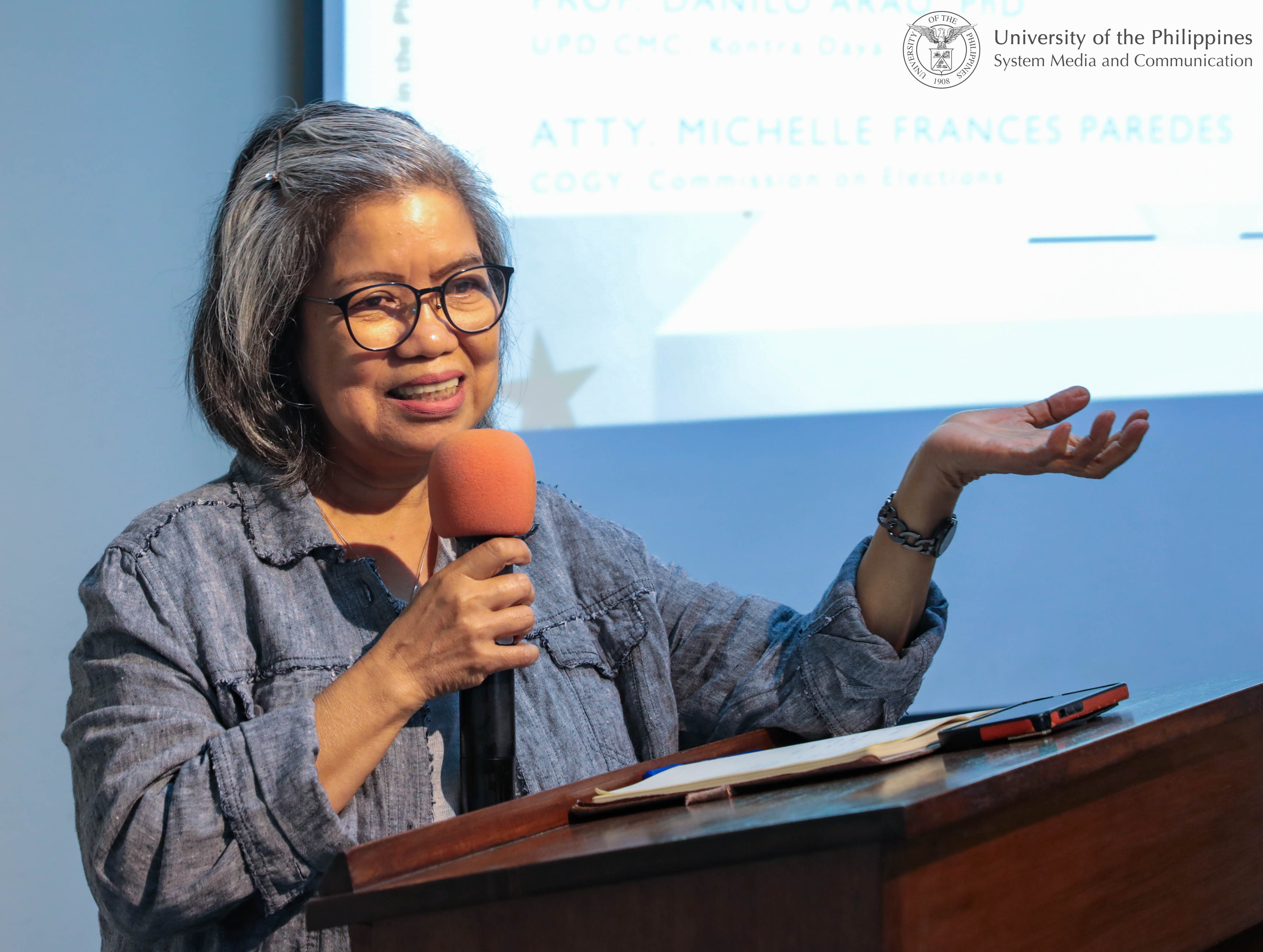
Representative Elijah San Fernando of Kamanggagawa Party-list discusses his observations during the recent campaign period, experiences as a lawmaker in the House of Representatives, and recommendations for institutional reforms. Photo by Jonathan Madrid, UPS-MCO.

Panelists added key points and testimonials that support the study.  Representing the workers sector in Congress, San Fernando noted how traditional politicians and dynasts capitalize on patronage and a system more advantageous to them while preventing other candidates from campaigning. He said he supports proposals to overhaul the Omnibus Election Code and the party-list law.  


Albano, who served as treasurer of Akbayan Party, shared how they mobilized volunteer campaigners for their local and national candidates in previous election seasons. She said the research supports both advocacy and legislative work, with emphasis on developing women and youth leaders, and the role of social movements and civil society organizations.


Arao shared the findings of Kontra Daya, adding empirical evidence to observations of prevalence of vote-buying practices, red-tagging, and other offenses and flaws in the electoral system. He revealed the practice of political opponents trying to outbid one another through installment pay-outs given to their voters. This engenders patronage, impunity, and mendicancy among voters, perpetrated by traditional politicians, he said. Arao proposed the publication of political spending and donations in real-time so the public can scrutinize them and to foster transparency. He also mentioned reforms that COMELEC can pursue, including reforms in the party-list system and the adoption of a hybrid (manual and automated tallying) election system.    

First photo: Prof. Maria Ela Atienza, UP sa Halalan project head, presents the university’s previous and current public information campaigns on elections, politics, and democracy. Photo by Jonathan Madrid, UPS-MCO.
Middle photo: Frederic Grillet, first secretary of the Delegation of the European Union to the Philippines, says that democracy requires constant effort, respect for human rights and rule of law, fairness, inclusivity, transparency, and accountability. Photo by Jonathan Madrid, UPS-MCO.
Last photo: Dr. Graeme Ramshaw, Westminster Foundation for Democracy director for quality and innovation, gives an overview of the research project. Photo by Jonathan Madrid, UPS-MCO.

Paredes, COMELEC project director for the 2025 Barangay and Sangguniang Kabataan Elections, highlighted the importance of capacity building for women and youth, and supporting reforms, including those mentioned, leading to good governance.


UP Vice President for Research and Innovation Joel Marciano Jr., representing UP President Angelo Jimenez; Frederic Grillet, first secretary of the Delegation of the European Union to the Philippines; Professor Maria Ela Atienza, UP sa Halalan project head; and Dr. Graeme Ramshaw, Westminster Foundation for Democracy director for quality and innovation, delivered messages at the event.