


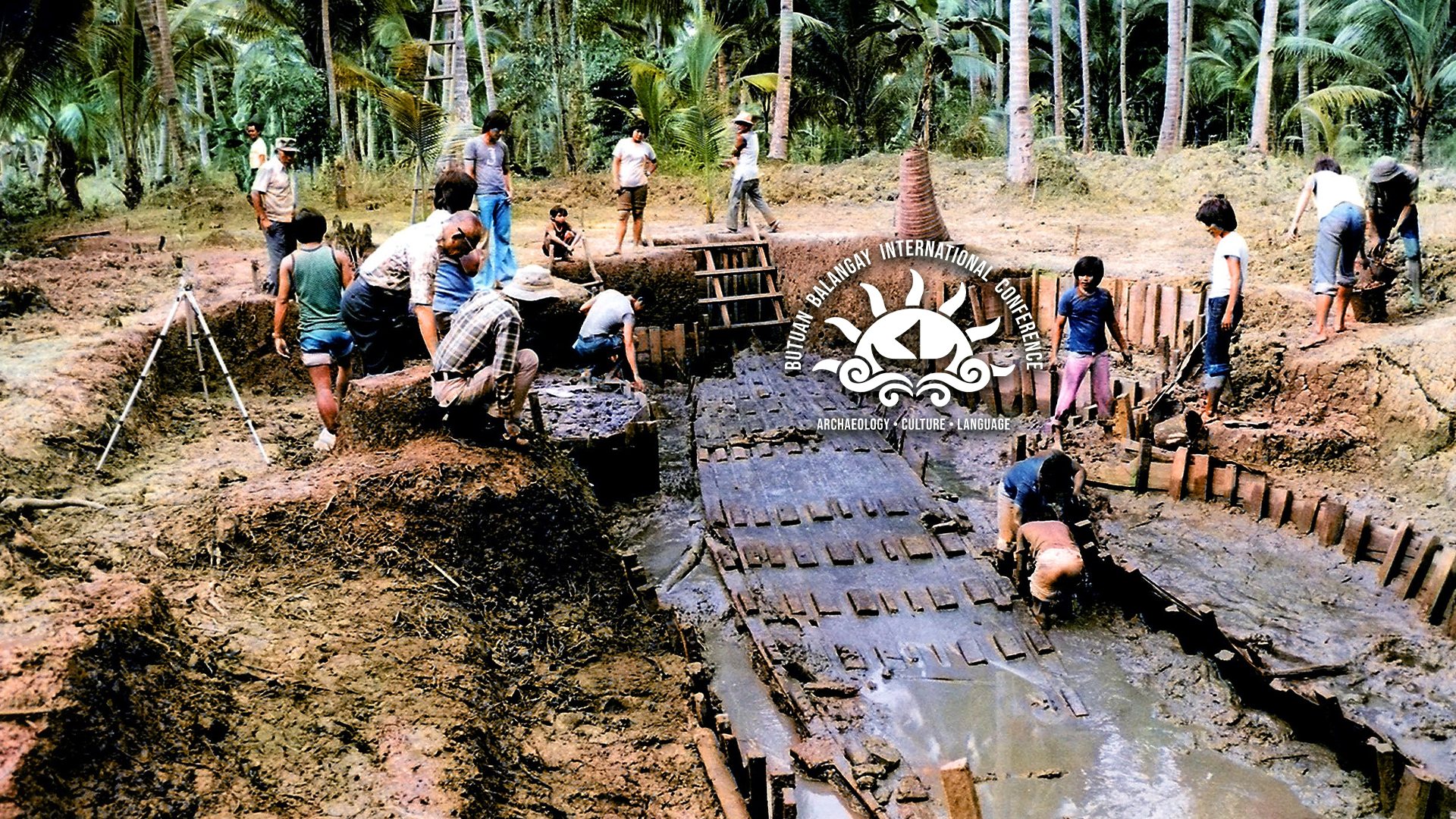
The University of the Philippines School of Archeology is set to soft-launch its digital archeology initiative through the UP Heritage and Archaeology through Big Data and Imagery or HABI Laboratory during the first Butuan Balangay International Conference on September 18–19, 2025.
Led by UP School of Archeology Dean Lee Anthony M. Neri, the transformative investment in archeological infrastructure will supplement traditional documentation with digital tools and innovations to accelerate research into the Butuan balangay boats, preserve vanishing maritime traditions and foster public engagement.
Neri hopes that the UP HABI Laboratory will enrich understanding and create immersive and accessible experiences that connect contemporary Filipinos with their ancestral seafaring identity and legacy.
“Digital archaeology transforms not just how we work, but what questions we can address about our past. These technologies allow us to see patterns less obvious to the naked eye, reconstruct lost traditions, and most importantly, support the conservation of our heritage, while making it accessible to every Filipino, not just scholars in academic institutions,” he said.
Revealing hidden histories through technology
The UP HABI Laboratory’s soft-launch at the conference will exhibit interactive 3D scanned archaeological sites and materials, allowing participants to witness archaeological resources that are often inaccessible to the public and see how digital technologies transform research from exclusive academic pursuit to inclusive cultural dialogue.
The exhibit includes scans of the Butuan balanagay boat planks from the collaborative research between the UP School of Archeology and the National Museum led by Nero M. Austero and Rachelle Anne Geline P. Ureta.
By applying photogrammetry and 3D modeling to the planks using Agisoft Metashape, the research team was able to find construction details and degradation patterns — capturing more than boat dimensions and preserving the hand movements, decision-making processes, and accumulated wisdom of master boat builders from the past.
These digital reconstructions will also allow them to virtually “rebuild” the boats, understanding construction sequences and techniques that speak to the sophisticated engineering knowledge of precolonial societies.

Set sail for the Butuan Balangay International Conference where we dive into the session “Boats, Heritage, and Identity.” This gathering explores how seafaring, culture, and memory intertwine across communities and histories. Photo from the Conference Facebook page.
Making heritage live, safeguarding indigenous knowledge
“Every scan, every 3D model brings us closer to understanding the minds of our ancestors,” noted Bobby C. Orillaneda of the National Museum’s Maritime and Underwater Cultural Heritage Division. “We’re not just preserving objects — we’re recovering lost knowledge systems, understanding how our ancestors thought, solved problems and navigated vast oceans.”
The initiative aims to eventually introduce virtual and augmented reality capabilities that transform static artifacts into living experiences. It also arrives at a critical moment when traditional knowledge holders are aging and maritime traditions face extinction: digital archaeology offers tools to capture not just objects but entire knowledge systems, helping preserve intangible heritage that future generations can study, understand and even revive.
“We’re racing against time,” conference chair Assoc. Prof. Ligaya S. Lacsina of the UP Diliman School of Archaeology underscored. “Every master boat builder who passes, every fisher who abandons traditional navigation, takes irreplaceable knowledge with them. Digital archaeology gives us tools to preserve artifacts and allow us to better understand our past. As our capabilities improve to include remote sensing technologies, we see the greater potential of identifying more sites to explore and study.”
Registration and participation
The Butuan Balangay International Conference is collaboration between UP, the Caraga State University, the National Museum, and the City of Butuan to commemorate 50 years since the archeological discovery and excavation of the Butuan balangay boats in Agusan del Norte.
Themed “Maritime Heritage and Sustainable Oceans,” this year’s conference aims to examine how indigenous knowledge and maritime heritage can inform sustainable ocean practices and conservation strategies for the future through an immersive cultural experience.
The conference welcomes scholars, cultural practitioners, students, and community members. Limited funding may be available for international participants. For more information, email balangay2025@up.edu.ph or visit the conference website to register.
